.png?h=146&iar=0&w=301&hash=690753E2FA9563314B9D941A755BB22F)

The Ultimate Guide to Avoiding Lawn and Garden Fertilizer Burn

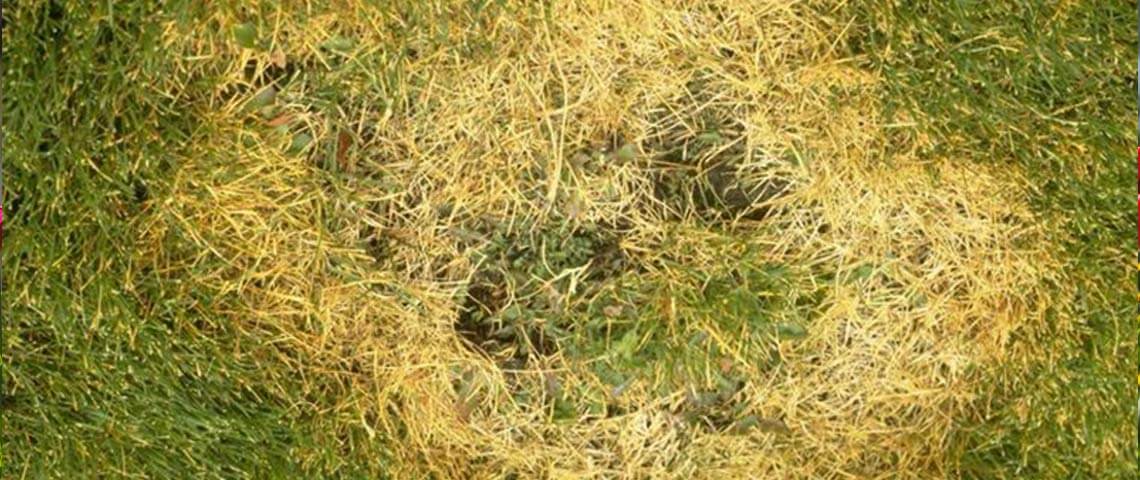
When your lawn or garden starts to look scorched after fertilizing, it can be frustrating. Grass may turn yellow or brown. Leaves may look dry and crispy. This problem is called fertilizer burn.
The good news is fertilizer burn is preventable. With the right products and proper steps, you can feed your lawn and garden and enjoy strong growth all season long.
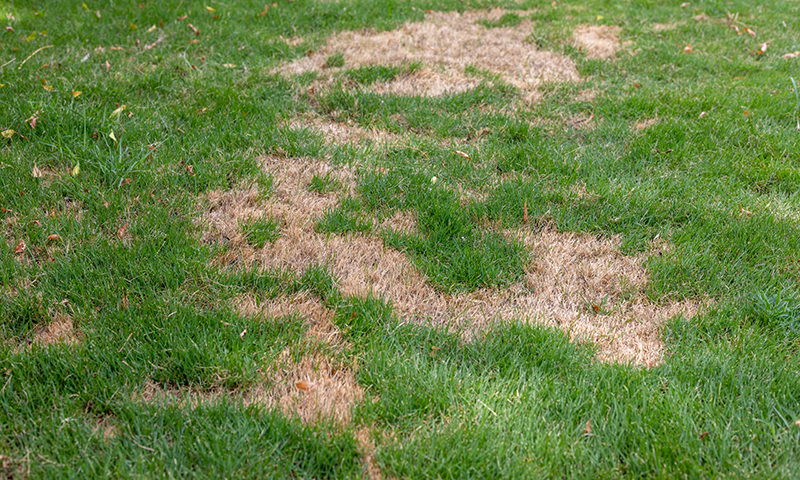
Fertilizer burn can cause yellow streaks, brown patches, and thinning grass when too much fertilizer pulls moisture away from plant roots.
In this guide, you will learn:
- What fertilizer burn is
- The most common mistakes that cause it
- The best ways to prevent it
- How to choose and use fertilizers properly
- What to do if fertilizer burn happens
What Is Fertilizer Burn?
Plants need nutrients to grow. In natural settings, soil provides many of these nutrients. But busy lawns and productive gardens use up nutrients quickly. Fertilizers help replace what is missing.
Fertilizer burn happens when plants get more fertilizer than they can handle.
Most fertilizers contain salts. When too much builds up in the soil, those salts pull water away from plant roots. This keeps plants from getting the moisture they need. The result looks a lot like drought damage.
Signs of Fertilizer Burn in Lawns
- Yellow or brown streaks in the grass
- Patchy, scorched areas
- Burn marks where fertilizer was spilled
- Weak or thinning turf
Signs of Fertilizer Burn in Garden Plants
- Brown or burnt leaf edges
- Wilting even when the soil is moist
- Slow growth
- Dried, damaged roots
The Top Causes of Lawn Fertilizer Burn and How to Avoid Them
Fertilizer burn is usually caused by simple mistakes. Here are the most common ones and how to prevent them.
1. Applying Too Much Fertilizer
More is not better. Using more than the recommended rate increases the risk of burn.
Always follow label directions. Quality products like Pennington Full Season Lawn Fertilizer 32-0-5 are designed to deliver nutrients when used as directed. Following best practices for how to fertilize your lawn can help reduce the risk of fertilizer burn.
2. Not Measuring Your Lawn or Garden
If you do not know the size of your lawn, it is easy to overapply.
Measure your lawn carefully. Subtract areas like driveways and patios. Then apply the correct amount for your square footage.
3. Overfilling or Not Closing the Spreader
When filling or turning your spreader, fertilizer can spill and create concentrated spots. These spots often burn grass.
Always close the hopper before stopping or turning. Clean up spills right away.
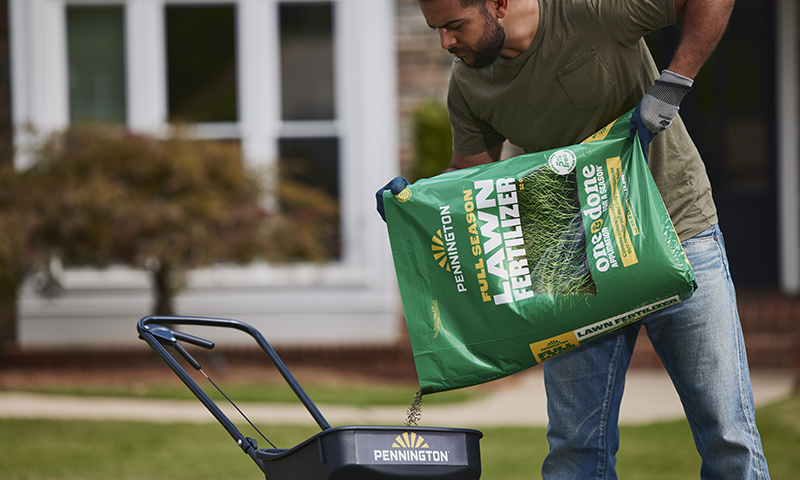
Applying fertilizer evenly and at the recommended rate helps prevent concentrated areas that can damage grass.
4. Fertilizing Stressed Lawns or Plants
Grass and plants under stress from heat, drought, disease, or poor soil cannot process nutrients well.
Avoid fertilizing during extreme heat or drought. Wait until conditions improve.
5. Using the Wrong Fertilizer Product
Different plants have different needs.
For example:
- High nitrogen lawn fertilizers are great for established turf
- Weed and feed products should only be used on well-established lawns
- Seedling lawns require starter fertilizers made for new growth
- Iron supplements like Ironite Mineral Supplement 1-0-0 help correct iron deficiencies without pushing excessive growth
- Liquid options like Ironite 7-0-1 Lawn and Garden Spray provide fast nutrient delivery for lawns, flowers, shrubs, and vegetables when used as directed
Using the right product matters. Choosing a fertilizer or mineral supplement designed for your lawn’s stage of growth helps reduce the risk of damage.
Best Practices for Fertilizer Application
Preventing fertilizer burn is simple when you follow a few key steps.
Always Read and Follow Label Directions
Every fertilizer or supplement has specific instructions.
These include:
- Application rate and coverage
- Timing and temperature
- Watering recommendations
- Safety precautions
Water Properly After Application
Watering helps move nutrients into the soil and away from grass blades and leaf surfaces.
Light watering after applying most lawn fertilizers helps reduce the risk of burn. If you accidentally overapply, water the area deeply to help flush excess salts through the soil. Learn how to water your lawn the right way to keep grass healthy throughout the season.
Choose Quality Fertilizers and Supplements
High quality fertilizers are formulated for consistent feeding.
Pennington Full Season Lawn Fertilizer 32-0-5 provides balanced nutrition for strong roots and steady growth throughout the growing season.
Ironite Mineral Supplement 1-0-0 delivers iron and essential minerals that help lawns achieve a deep green color without excessive top growth when used as directed.
Ironite 7-0-1 Lawn and Garden Spray offers a convenient liquid option that helps quickly green up lawns and feed garden plants.
With more than three generations of trust, Pennington products help homeowners grow beautiful, productive lawns and gardens.
Use Slow-Release Options When Appropriate
Slow-release nitrogen feed plants over time. This reduces the chance of nutrient overload and lowers the risk of burn.
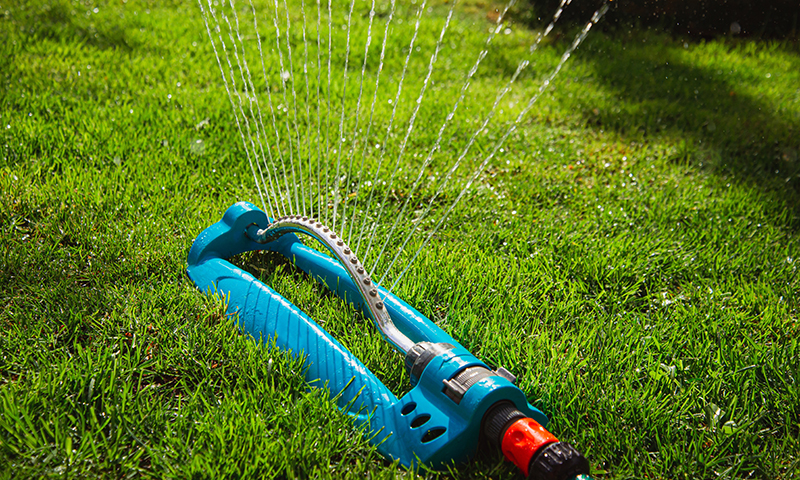
Deep watering helps move nutrients into the soil and can dilute excess fertilizer salts that may harm grass or plants.
What to Do If Fertilizer Burn Happens
Even careful gardeners can make mistakes. If you notice fertilizer burn:
- Remove any visible fertilizer from the soil surface.
- Water the area deeply and thoroughly.
- Avoid additional fertilizing until plants recover.
In mild cases, lawns often recover with proper watering and care. If damage is severe, overseeding may help restore thin or bare areas. See our guide on how to overseed a lawn to repair damaged turf.
Feed Your Lawn and Garden with Confidence
Fertilizer burn can be frustrating, but it is preventable. By understanding the causes, following label directions, and choosing trusted products like Pennington Full Season Lawn Fertilizer 32-0-5, Ironite Mineral Supplement 1-0-0, and Ironite 7-0-1 Lawn and Garden Spray, you can nourish your lawn and garden.
Vibrant growth starts with smart feeding. When you choose Pennington or Ironite, you can grow with confidence season after season.
Always read the product label and follow instructions carefully.
-
Frequently Asked Questions
What causes fertilizer burn?Fertilizer burn is caused by excess salts in fertilizer pulling water away from plant roots. This usually happens when too much fertilizer is applied or when plants are stressed. -
How can I prevent fertilizer burn on my lawn?Measure your lawn, apply fertilizer at the recommended rate, water properly, and use high quality products like Pennington Full Season Lawn Fertilizer 32-0-5, Ironite Mineral Supplement 1-0-0, or Ironite 7-0-1 Lawn and Garden Spray designed for effective feeding.