.png?h=146&iar=0&w=301&hash=690753E2FA9563314B9D941A755BB22F)

Why Fall Is Best for Grass Seed

For most of North America, fall is the absolute best time of year to plant grass seed. If you live in the top half to two-thirds of the United States, you're in cool-season grass territory. That means fall is prime time for your lawn love to shine.
Fall is the best time to plant grass seed because cooler air temperatures combined with warm soil and increased moisture create ideal germination conditions for cool-season grasses. Whether you're thickening up thin, tired grass or keeping your lawn lush for paws or tiny feet, fall seeding or overseeding is the secret to the lawn of your dreams.
- Why Fall Is Best for Seeding Lawns
- Should I Overseed or Start a New Lawn in Fall?
- Choosing Your Grass Seed
- Caring for New Grass This Fall
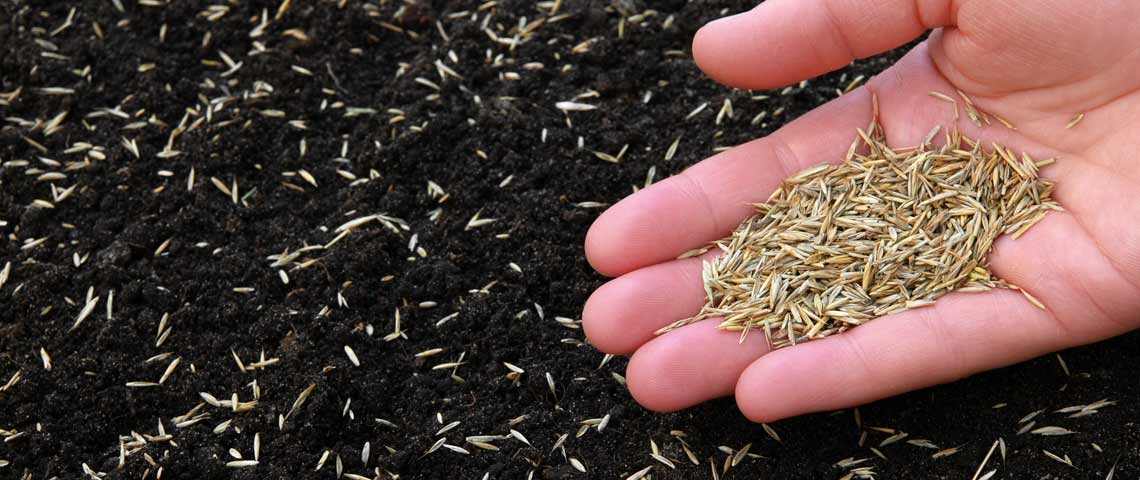
Planting cool-season grass in fall aligns with nature's plan.
Why Fall Is Best for Seeding Lawns
If planting grass seed right before winter seems backwards, don't worry. You're about to change your mind. The key to timing grass seed right is understanding how Mother Nature designed your lawn grass to grow.
Outside the southern tier of the United States, cool-season lawn grasses are the rule. These grasses get their name because the cool seasons — fall and spring — are when they peak in growth. That's just as good for new grass seed as it is for your existing lawn.
Here's a quick look at the top reasons fall wins for cool-season seeding:
- Warm soil from summer speeds up germination.
- Cooler air temperatures reduce heat stress on young seedlings.
- More rainfall helps keep soil moist.
- Less pressure from weeds, pests, and disease gives new grass room to grow.
- Time to root before winter sets your lawn up for a strong spring.
Ideal soil temperature for cool-season grass seed is 50–65°F, which lines up with daytime air temperatures of 60–75°F. Hit that window, and germination happens fast.
Spring's a good season for cool-season grasses, too. But why is fall even better? It's the same reason fall's perfect for planting hardy trees and shrubs. Spring seeding faces late-melting snow, early weed competition, and less time for roots to build up before summer heat.
How to find your fall planting window
Use this simple formula:
- Search "first fall freeze" plus your zip code.
- Count back 45 days from that date.
- That's your target window to plant cool-season grass seed.
When your new seed has time to germinate and root in warm soil, it's ready to meet winter. And when spring comes, your new lawn already has a mini growing season under its belt.
Typical germination times for cool-season grasses:
- Perennial ryegrass: 5–10 days
- Tall fescue: 7–12 days
- Kentucky bluegrass: 14–30 days

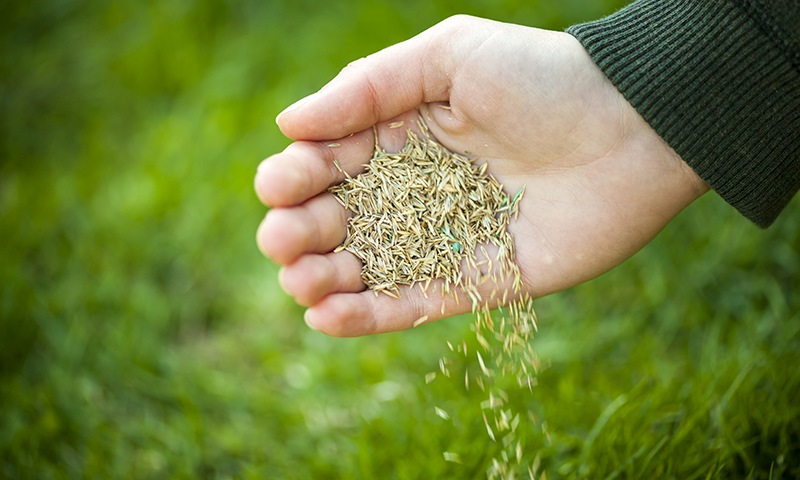
Overseeding existing lawns helps keep grass thick and lush.
Should I Overseed or Start a New Lawn in Fall?
Fall seeding of cool-season lawns can go two ways: planting grass seed in bare areas, or adding more seed to a lawn that's already there. Start by being honest about the shape your lawn is in.
- Start a new lawn if the turf is mostly bare, badly damaged, or full of weeds and unwanted grasses. A full reset gives you the best long-term result.
- Overseed if your lawn is thinning but still mostly healthy. Overseeding — the practice of spreading new grass seed over an existing lawn — keeps turf thick and helps prevent thinning.
Overseeding is something lawn pros do regularly. The prep is simple: cut your lawn extra short and rake it to remove thatch and clippings so the soil is ready for seed.
Seeding a new lawn takes a bit more prep, but it's worth it for a major makeover. You want a clean soil surface so seed can settle in without competition from weeds.
With either approach, skip weed killers that could harm your seed or young sprouts. They can't tell the difference between a weed seed and a grass seed.
Raking to loosen and expose the soil helps your new seed make good contact with the ground — and get the water and sunlight it needs to root.

Quality grass seed products deliver beautiful lawns.
Choosing Your Grass Seed
Timing is key, but choosing the right cool-season grass seed matters just as much. Use these criteria to narrow your choice:
- Climate zone: Match the grass to your region. Tall fescue and ryegrass handle the transition zone well; Kentucky bluegrass thrives farther north.
- Sun and shade: Choose a blend rated for the light your yard actually gets.
- Lawn condition: Bare spots, full renovation, or routine overseeding each call for a different product.
- Maintenance preference: Some grasses need less water and mowing than others.
- Sustainability goals: Drought-tolerant varieties and clover lawns use fewer resources.
Pennington Smart Seed grasses help you grow a more sustainable lawn. Once established, they need up to 30% less water year after year — good for your lawn, your wallet, and the environment.
For new lawns or overseeding, Pennington Smart Seed + Fertilizer mixes pair drought-tolerant seed with professional-grade fertilizer to help fall lawns take root.
Prefer a tall fescue lawn? The Rebels Brand delivers drought tolerance, dense turf, and rich color. For a more affordable option, Pennington Kentucky 31 offers trusted performance with low maintenance.
Need a fast-growing northern lawn or vibrant winter color? Pennington Fairway Supreme Perennial Ryegrass grows quickly and requires less mowing and watering.
Have trouble spots? Pennington Smart Patch repairs bare patches fast with a 3-in-1 mix of seed, fertilizer, and mulch. It works well on slopes, in shaded areas, and on pet damage.
For a low-maintenance lawn alternative, Pennington clovers enrich soil, suppress weeds, and support pollinators. White Clover Seed offers lasting groundcover. Crimson Clover adds bold seasonal color.
To attract butterflies and bees, try Pennington Wildflower Mixes. They're easy to grow and bring beauty to your yard.
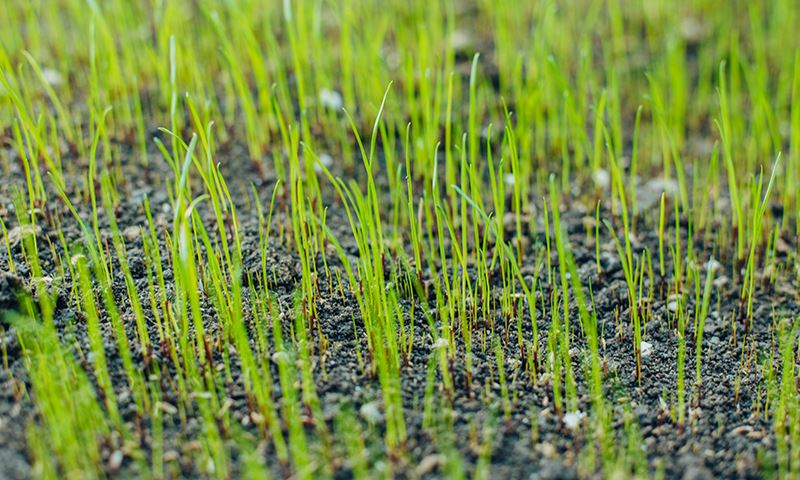
Plant grass seed in fall for a headstart on spring.
Caring for New Grass This Fall
Once your fall grass seed is planted, follow these steps to keep it on track:
- Skip weed killers, including preemergent herbicides, until your grass has been mowed at least twice. If you have a weed, pull it or dig it up.
- Water seeded areas to keep the soil moist until grass sprouts and reaches about 3 inches tall. That can mean daily watering, depending on weather. Don't skip this — it's the most important step.
- Mow your new grass once it reaches 3 inches tall. If that doesn't happen this fall, that's okay. You get a pass to wait until spring.
Then sit back and enjoy the new grass you'll see this fall and again in spring.
Always read product labels thoroughly and follow instructions.
-
Frequently Asked Questions
Can you plant grass seed in October?-
Frequently Asked Questions
How long until perennial ryegrass sprouts?About 5 to 10 days when the soil stays moist and temperatures are in range. -
Can I do this every winter?Yes. Plenty of Southern homeowners overseed year after year. Just manage the spring handoff so your Bermuda comes back strong.
-
How much seed do I need?Around 5 to 10 pounds per 1,000 square feet, depending on whether you're refreshing an established lawn or covering bare ground.
-
When do I stop the light daily watering?After the seedlings are up — usually a week to ten days in. Then switch to deeper, less frequent watering.
-
Perennial or annual ryegrass?Perennial. Finer texture, better color, and it holds up through the winter. Annual ryegrass is cheaper but coarser.
-
Will overseeding hurt my bermudagrass?Not when it's done right. Time it well and manage the spring, and your bermudagrass will bounce back with the heat.
-
Do I have to aerate?Not required. But it's a big help on compacted or hard-used lawns.
Yes, in many regions October works well, especially in the transition zone and southern parts of the cool-season range. Aim to plant at least 45 days before your area's first fall freeze. -
-
How long does fall grass seed take to germinate?It depends on the grass type. Perennial ryegrass sprouts in 5–10 days, tall fescue in 7–12 days, and Kentucky bluegrass in 14–30 days, when soil temperatures sit between 50–65°F.
-
What is overseeding?Overseeding is the practice of spreading new grass seed over an existing lawn to thicken thin spots and improve color, without starting from scratch.
-
How often should I water new grass seed in fall?Water often enough to keep the top inch of soil moist — usually once or twice a day in dry weather — until seedlings reach about 3 inches tall.