.png?h=146&iar=0&w=301&hash=690753E2FA9563314B9D941A755BB22F)

How to Choose Clovers for Your Lawn and Yard

When your yard dreams extend beyond traditional turfgrass, clovers offer options too good to ignore. Sustainability? Check. Biodiversity? Check. Less maintenance, water conservation, less fertilizer and pest control? Clovers can help you achieve all these goals and more.
Whether your plans call for lawn enhancements, meadow plantings or full-blown backyard habitats, clovers can be the backbone for sustainable lawn alternatives that uniquely reflect who you are. Sweet-smelling success starts with understanding your clover options and choosing the right clover for your yard.
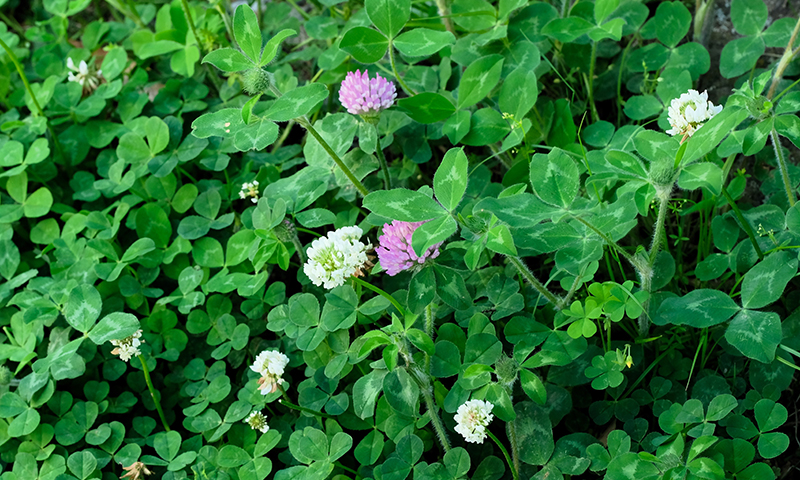
Lush clovers add texture and beauty to lawns and improve soil, too.
Why Use Clovers in Yards
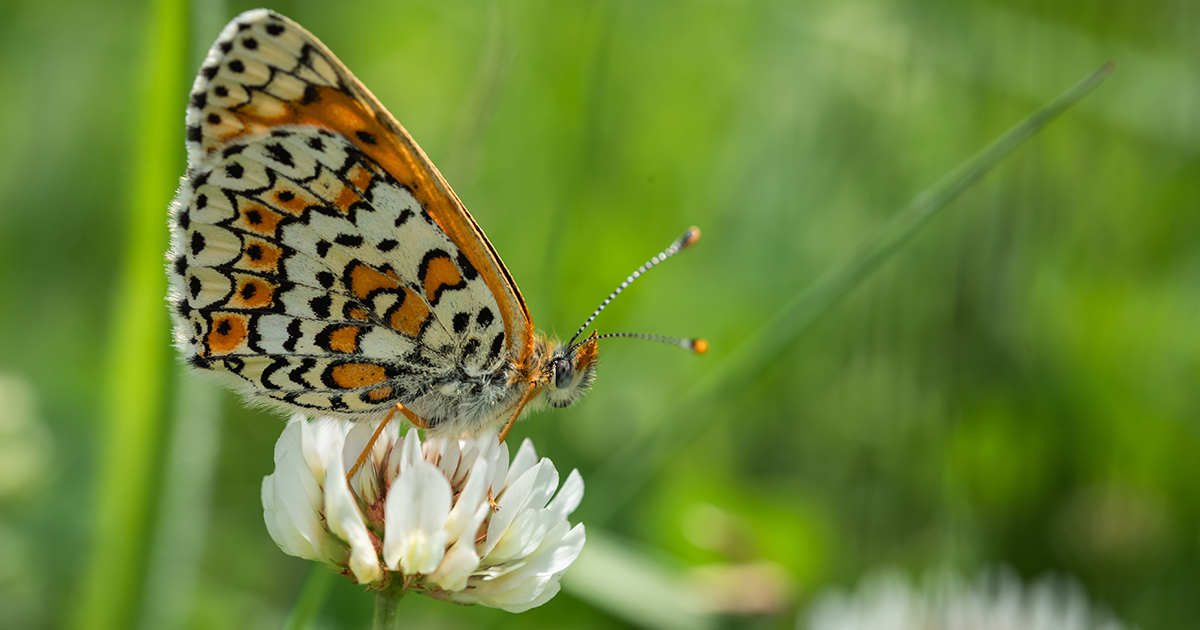
Ask a honey bee or butterfly that question, and they'd probably comment on their favorite clover's irresistible scent or the sweet nectar- and pollen-bearing blooms. While those attributes are winners for people and pollinators, clovers offer much, much more.
Nitrogen fixation: Like all legumes, clovers have the ability to convert nitrogen in the atmosphere into a form they can use for food. In other words, they create their own fertilizer and feed themselves. That means less fertilizer to buy and apply — and more free time and money for you. By fixing nitrogen in the soil, clovers help improve soil fertility as they do.
Lower maintenance: Clovers develop deep root systems that require less fuss and maintenance in many ways. Once established, clovers tolerate heat and drought, need less water than many other lawn alternatives, and need fewer herbicides to outcompete weeds. Depending on your goals and clover choices, pollinator-friendly clover yards need less mowing or no mowing at all.
Improved soil: While fast-growing clover roots are ideal for erosion control, those roots do more than hold soil in place. The deep root system of common clovers helps reduce soil compaction, improves soil aeration and water infiltration, and enhances the uptake of water and nutrients. Clovers also encourage activity of beneficial microorganisms and increase organic matter in soils.
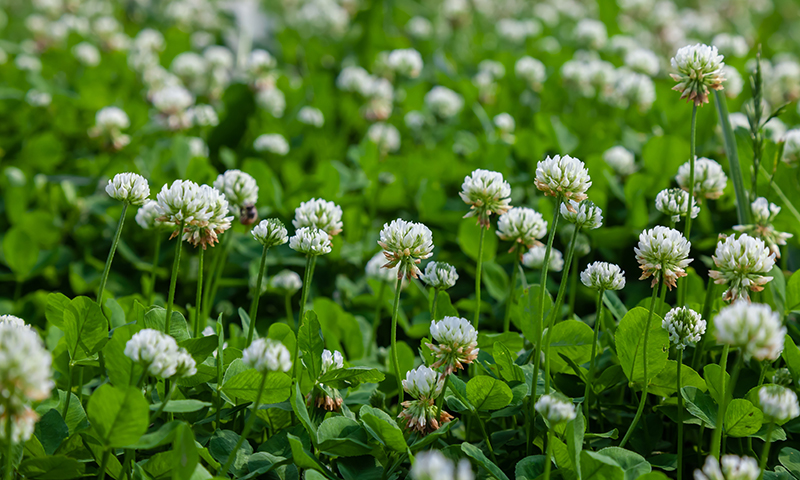
White clover forms a low-growing, flower-filled carpet.
White Clover Options
For decades, most lawn owners thought white clover didn’t belong in yards. But times have changed, and so have lawns and the people who love them, especially those who love clovers, too. You can plant white clover on its own or mix it with grasses for a lawn-like look and all the benefits of sustainability, durability and ease that clovers bring.
Take low-growing Pennington White Clover Seed, for instance. This combination seed and mulch product forms a soft, dense perennial groundcover when planted on its own. Known for its profuse white flowers, white clover withstands heavy foot traffic, thrives in full sun to partial shade, and comes back year after year.
Our Pennington Clover & Grass Mix pairs self-fertilizing white clover with our lawn grasses. The combination can transform a traditional lawn into an easy-care hybrid lawn alternative. Your clover-and-grass lawn will deliver quick results, withstand drought and disease and still feel great under your feet.
Left unmowed on its own or paired with lawn grass, white clover grows about 8 to 12 inches tall to form a short, natural-looking yard. You can leave the height to Mother Nature or mow occasionally. Mowing encourages this clover to grow lower, so its pollinator-friendly flowers avoid your mower blades. White clover is even resistant to dog spots.
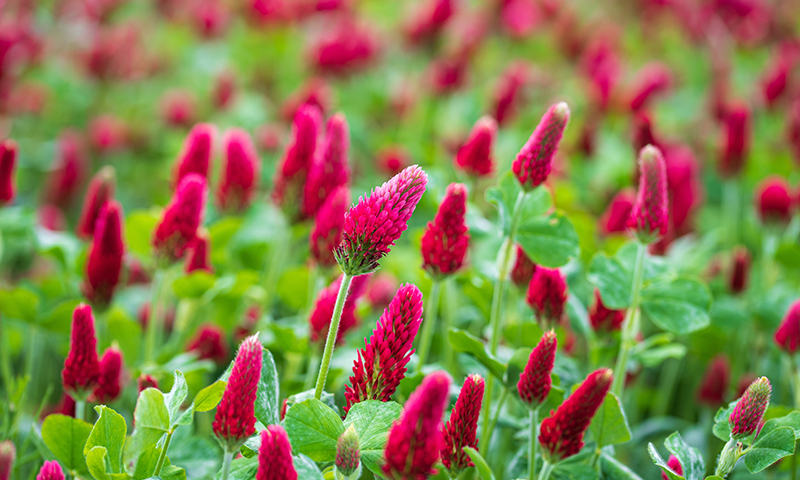
Crimson clover brings rich color to meadowscapes and backyards.
Color-Packed Crimson Clover
When your clover ambitions drift toward meadowscapes and wildflower plantings, Pennington Crimson Clover Seed combination seed and mulch product belongs on your planting list. This fast-growing, self-fertilizing pollinator magnet has bright crimson flowerheads that look at home in yards, fields and flower beds.
Unlike low-growing white clover, unmowed crimson clover can grow 1 to 3 feet tall, depending on the growing conditions. Even at taller heights, this traffic-tolerant clover can still handle kids and pets at play. But plan on sharing these blooms with bees and other pollinating insects.
To see it at its very best, reserve crimson clover for areas of your yard that get full sun for at least 6 to 8 hours a day. And, unless you don’t mind sacrificing some flowers, put crimson clover in spots that aren’t mowed regularly during the growing season. Otherwise, feel free to mow away.
Crimson clover is a cool-season annual that completes its full life cycle in just one year. So, go ahead and be adventurous. You can enjoy a taller, more colorful clover planting without a long-term commitment. But once you see a mass of those crimson blooms, you’ll want to replant Pennington Crimson Clover Seed every year.
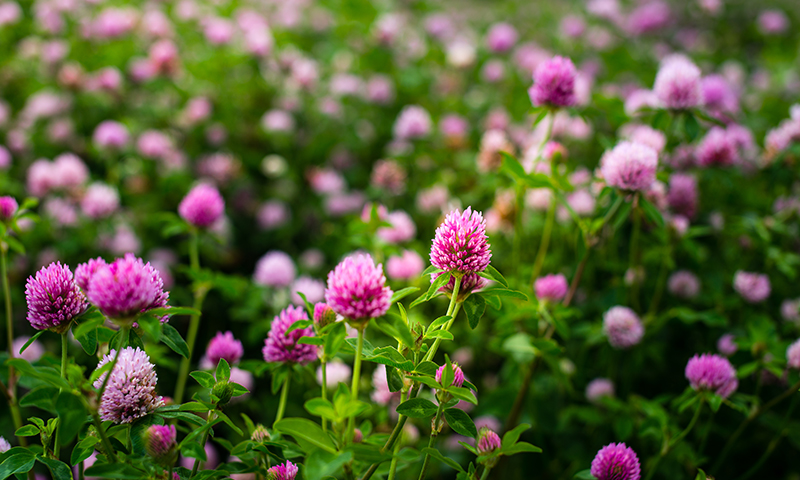
Red clover’s honey-like fragrance is as sweet as its purplish blooms.
Backyard Habitat Clovers
When attracting wildlife and encouraging biodiversity win out over lawns at your house, a backyard wildlife refuge filled with clover-based habitat fits the bill. From corner plantings on small urban properties to larger suburban or peri-urban plantings, clovers help create and support a thriving backyard ecosystem that’s simple to maintain and even simpler to enjoy.
Our Pennington Backyard Habitat mixes crimson, red and white clovers for a colorful, easy-to-maintain planting. This wildlife-attracting mix includes perennial white clover and annual crimson clover. Then this habitat-focused clover seed mix tops it off with beautiful red clover to boot.
A short-lived, cool-season perennial, red clover typically lives more than one season. Like all cool-season clovers, it flourishes and peaks in growth during cool weather in spring and fall. Left unmowed, red clover’s lush foliage and rounded reddish-purple blooms typically grow 2-3 feet tall (rounding out layers of white and crimson clover in your backyard refuge perfectly).
The clovers in Pennington Backyard Habitat Mix create a welcoming habitat for pollinators, wild songbirds, turkeys and other gamebirds, deer and even your backyard chickens. Plant this low-maintenance clover mix in areas with full sun and partial shade. Then leave your mower in the garage. Let your wildlife visitors do the mowing for you.
Whether you choose a single clover or go for exuberant clover mixes that draw people, pollinators and wildlife to your yard, you can count on Pennington for premium clover seed products and expert advice to help you succeed.
We’re here to help your dreams for your lawn, yard and gardens come true. Reach out to us. We’d love to hear from you.