.png?h=146&iar=0&w=301&hash=690753E2FA9563314B9D941A755BB22F)

Why a Cover Crop Is Good for Your Garden

Rich, healthy soil is the heart of a productive garden. Whether you grow your own food or stick to beautiful annual flowers, your soil’s condition is key to getting the results you desire.
Nurturing your soil doesn't have to stop at season's end. Cover crops are an easy, eco-friendly way to improve your garden soil over the winter months, so it’s rich and ready for spring planting.
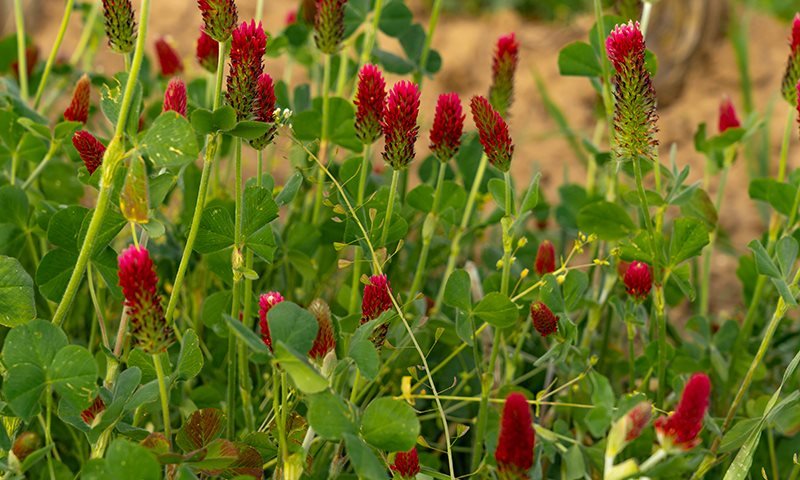
Crops like crimson clover protect and enrich your garden.
What Is a Cover Crop?
Cover crops are special annual crops planted at the end of the growing season, after you harvest your late-summer vegetables or other crops and your garden is empty or your soil is bare.
Cover crops have many benefits, but two main reasons for being: to cover your soil like a mulch and protect it from weeds and erosion, and to improve your soil’s quality while seasonal food and flower gardening is on hold.
Cover crops are meant to be temporary. When they've served their purpose, they’re tilled into the soil to help fuel your next season’s crops. Because cover crops are intended to only last a short time, seeds of annuals or tender, short-lived perennial plants are the cover crops of choice.
Legumes like crimson clover are ideal garden cover crops because they do more than just hold soil in place. Legumes can fix nitrogen in your garden soil and, in effect, fertilize themselves. (This same natural process happens in sustainable, self-fertilizing clover lawns.) When legume crops get incorporated into the soil in spring, their added nitrogen replenishes and revitalizes your garden.
With Pennington Cover Crop, you get a specially formulated mix of beneficial ingredients and annual seed, including:
- rapeseed - for weed suppression and deterring pests
- radish - for reduced soil compaction and improved soil structure
- crimson clover - for nitrogen fixation and beautiful crimson blooms pollinators love
Other beneficial cover crops and cover plantings include annual crops such as oats, buckwheat, beans and peas, as well as grasses like fast-growing annual ryegrass for erosion control.

Beautiful flowers are a bonus when cover crops include rapeseed.
Benefits of Cover Crops
Cover crops rejuvenate your garden soil and, much like natural lawns, enhance the surrounding environment in multiple ways. With cover crops like Pennington Cover Crop’s special mix of annual seed, you get a temporary cover that fixates nitrogen in the soil and provides many other benefits:
- Keeps soil in place and protected against wind and water erosion.
- Outcompetes weeds to help keep your garden soil weed-free.
- Improves soil structure and relieves soil compaction (especially root crop covers such as radish).
- Supports biodiversity, providing food and backyard habitat for animals including deer, wild birds, insects and other pollinators.
- Boosts the activity of beneficial soil microorganisms that enhance overall garden health.
- Increases soil’s organic matter when incorporated into soil in spring, improving soil composition, drainage, nutrients and more.
As an added benefit, Pennington Cover Crop beautifies your otherwise dormant garden with flowers, foliage, textures and winter interest as part of the mix.
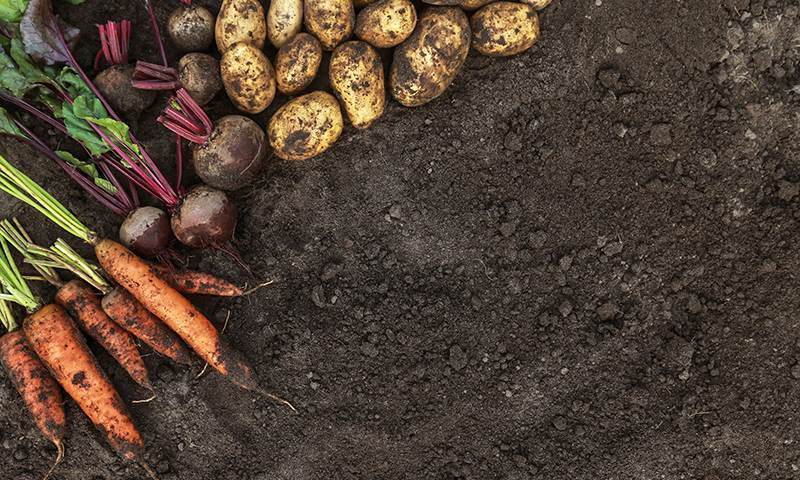
Plant fall cover crops as soon as your late-summer harvest is finished.
When to Plant a Cover Crop
Cover crops can be planted any time after you harvest your garden’s fruits, homegrown veggies and annual flowers. Late summer to early fall is ideal for planting garden cover crops. This gives your cover crop seeds plenty of time to root and get established before a killing frost arrives.
If you’re unsure about when frost arrives in your area, contact your local extension agent or do a quick online search for “first fall frost” and your zip code. If possible, give your cover crop at least a month to get established so you get the full potential of their benefits.
Cover crops can also be planted in spring, especially when your goals include erosion control — or you just need some extra time to plan what’s next for a patch of bare soil.
Regardless of when you plant cover crops, till or mix them back into the soil when you prepare to plant your next garden. Often called "green manure," like a natural fertilizer, cover crops and their benefits will keep working to support your next crop.
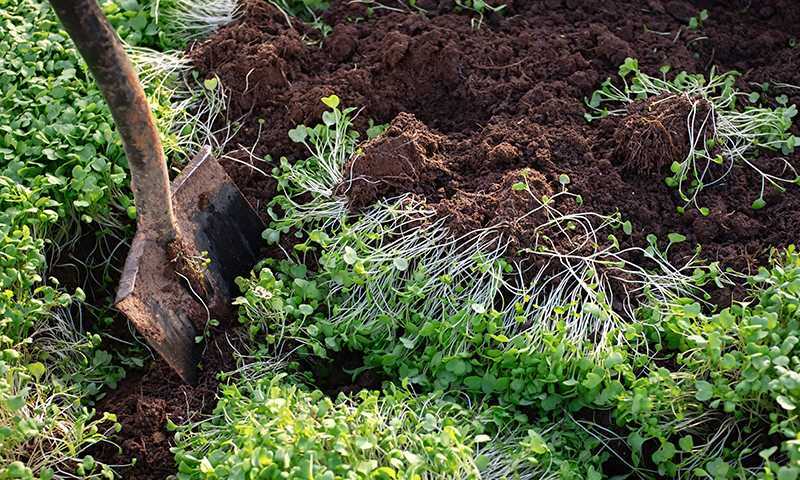
Whether you plant in fall or spring, cover crops get mixed into soil before you plant again.
How to Plant a Cover Crop
Planting a cover crop with Pennington Cover Crop is even easier than starting a vegetable garden from seed. If you're covering an existing garden space, it should already have good sun exposure. If it's a new area, choose a spot with partial shade to full sun.
Follow these three simple steps for cover crop success:
- Prepare your soil. Loosen the top 2 to 3 inches of your garden soil. Remove any debris, then rake the soil smooth to create an optimal surface for your seed to germinate and take root.
- Plant your seed. Use your hand or a handheld spreader to apply seed evenly across your soil. Rake lightly, working seed into the soil about 1/8 to 1/4 inch deep for good seed-to-soil contact.
- Water and fertilize your seeded area. Keep your soil moist until the seeds germinate and you see signs of growth. To increase your success, apply a seed starter fertilizer if available
As your cover crop takes hold, your garden will come to life again, above and below the soil line. Most cover crops die when winter comes, but that helps prepare them to go back into the soil and support your next garden.
Once your soil is dry enough to be worked in spring, till the winter-killed cover crop into the soil by machine or by hand. Working soil when it's too wet can harm its structure, so don't rush.
Soil is ready when a handful crumbles and falls through your fingers. If a handful sticks together, it's too wet. Wait a few days, test it again, and then dive in and let your cover crop continue its work.
With Pennington Cover Crop nurturing your soil, you can protect and enrich your garden year-round. Have a question about seeds, cover crops, lawns or gardens? Reach out to us. We’ve been helping gardeners make lawns, gardens and dreams come true for more than three generations.
We’re Pennington. We’re here for you.
Always read product labels thoroughly and follow instructions.