.png?h=146&iar=0&w=301&hash=690753E2FA9563314B9D941A755BB22F)

How to Create a No-Mow Meadow Grass Lawn
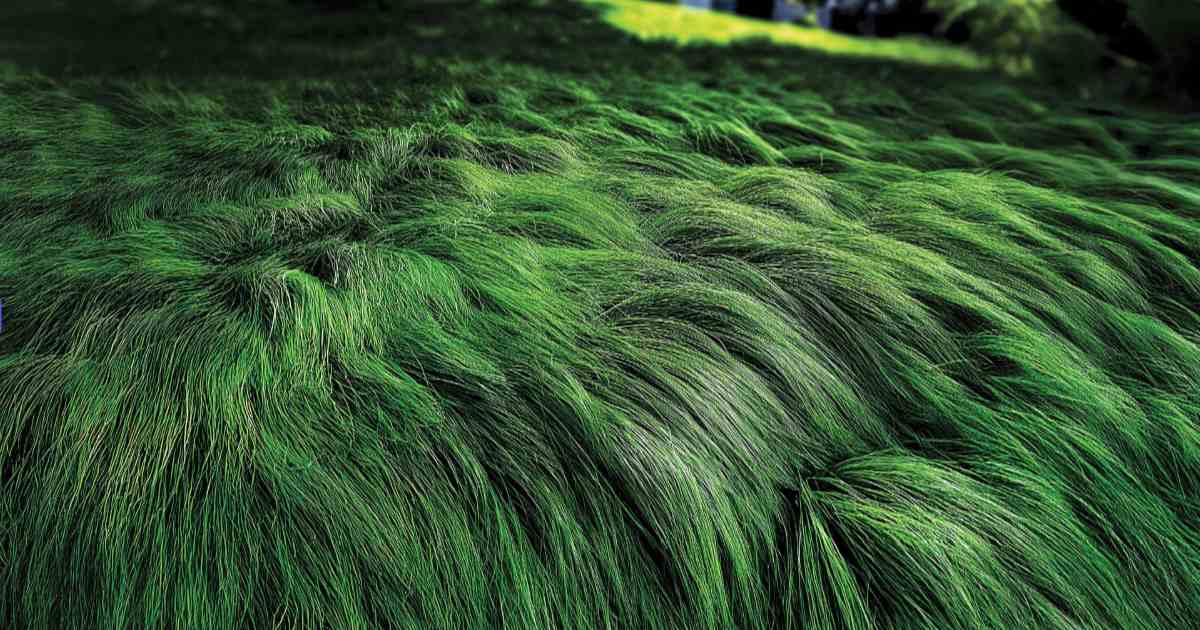
Gone are the days when every lawn owner aspired to have a clean, green square around their home. Don’t get us wrong. We love the look of a beautiful, well-manicured, traditional lawn. But we also believe that every neighborhood has room for a little creativity — and personal green spaces as unique as you are.
Imagine a lawn just as beautiful but freer and easier, from a softer and more natural look to the maintenance. If that’s your dream lawn, no-mow meadow grass is the place to start.
- What Is No-Mow Meadow Grass?
- Does No-Mow Meadow Grass Have Benefits?
- Where Can I Plant No-Mow Meadow Grass?
- How Do I Plant No-Mow Meadow Grass?

Meadow grass lawns and wildflowers can coexist beautifully.
What Is No-Mow Meadow Grass?
Everyone’s idea of a meadow is different. For some people, the word evokes thoughts of densely planted meadowscapes, packed with wildflowers and tall native ornamental or prairie grasses. While that kind of planting can be stunning, it’s not necessarily for every homeowner or for every section of your yard.
No-mow meadow grasses bring your green spaces a similar sense of freedom and a little wildness. But they keep the feeling of lawn spaces in mind. Green, flowing and low-growing, these backyard (and front yard) meadows keep no-mow grasses the key attraction.
With Pennington No Mow Meadow Grass Seed Mix, you can redefine your lawn to whatever degree you desire. This premium grass seed mix combines slow-growing, low-growing and low-maintenance turfgrasses that offer the wilder, nature-inspired look of a short, flowing meadow.
But these grasses still look at home alongside meadow gardens of wildflowers, more conventional flower gardens and even patches of traditional lawn.
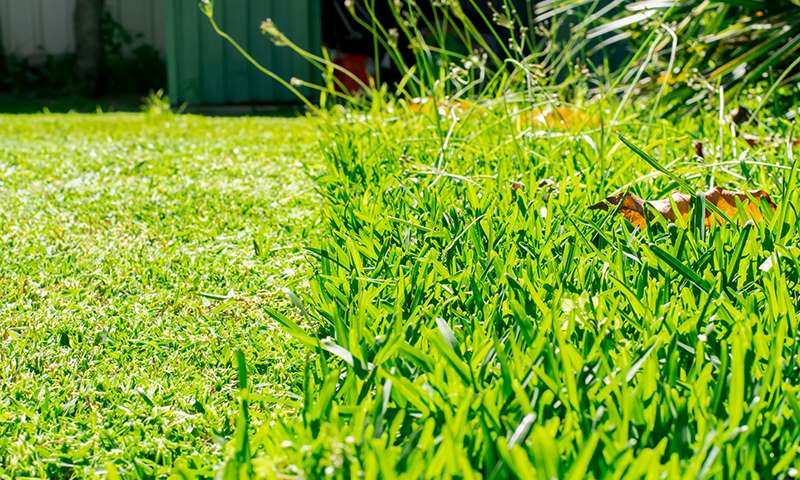
To mow or not to mow? The choice is yours.
Does No-Mow Meadow Grass Have Benefits?
For a lot of people, less maintenance tops the list when it comes to no-mow benefits. But no-mow meadow grasses provide a lovely balance between a traditional lawn and a lush, longer grass.
Once your no-mow meadow grass gets established, this sustainable lawn alternative needs less water and less fertilizer than traditional lawn areas. Your new meadow lawn also supports backyard biodiversity, along with giving you more free time for enjoying your home.
With Pennington No Mow Meadow Grass Seed Mix, you get all the benefits of a natural grass lawn, plus long, lush, no-mow beauty. The meadowy grasses in this seed mix tolerate sun, shade, drought and disease. They even tolerate foot traffic and some play from kids or pets, on flat areas or on hills and slopes.
Another plus is flexibility: If you want to mow your no-mow lawn, you can! Whether that’s mowing walking paths, small areas or something more, the choice is yours. But you’ll likely only want to bring your mower of choice out once a month or less instead of once a week or more.
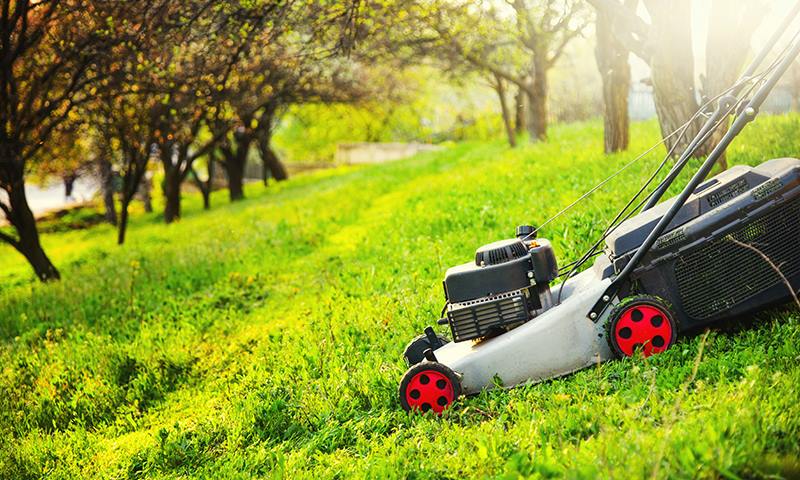
No-mow meadow grass can take hard-to-maintain areas off your mowing list.
Where Can I Plant No-Mow Meadow Grass?
No-mow meadow grass is a natural for hard-to-mow spots like steep hills and slopes, areas prone to erosion or anywhere that’s difficult to maintain. But your creativity — paired with a site that gets 4 to 6 hours of sun a day — is all that limits where you can have a flowing, low-maintenance meadow grass lawn.
With Pennington No Mow Meadow Grass Seed Mix, you can have a lush lawn that grows slow, low and natural, but not unkempt and out of control. From strategically placed corners, waves of long grass lining paths, or the perfect front yard garden, it's your call (as long as your community or Homeowner’s Association allows longer lawns).
This mix of no-mow meadow grasses is the perfect choice wherever you want a lush, low-maintenance look of longer lawn grasses. But it’s also a beautiful bridge between traditional lawn areas and perennial gardens or wild-looking wildflower meadowscapes and native plants that attract wild birds.
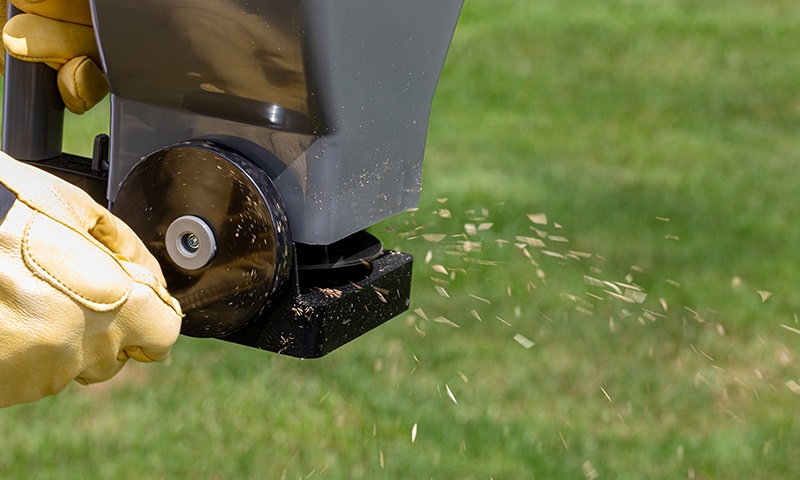
Even planting is simple with no-mow meadow grass lawns.
How Do I Plant No-Mow Meadow Grass?
The slow-growing lawn grasses in Pennington No Mow Meadow Grass Seed Mix are as easy to plant as they are to maintain. And unlike most no-mow lawn mixes, this mix of cool-season fine fescue grass seed, including creeping red and chewings fescues, suits all but the southern tier of the United States.
Like all cool-season grasses, this no-mow mix flourishes when planted during the cool seasons of fall or early spring. When daily temperatures range between 60 and 80° Fahrenheit, these meadow grasses naturally have their biggest spurts of growth above and below ground.
Timing your planting in harmony with nature helps ensure your no-mow meadow grass gets established fast and strong, before winter cold or summer heat arrives.
Three simple steps are all it takes for planting success:
- Prep the area. Remember to choose an area with at least 4 hours of daily sun. Remove any leaves, sticks or other debris, then rake the soil to ensure the seedbed is firm. This helps protect your seed from washing away if heavy rain comes before your no-mow seeds get established.
- Plant the seed. Spread your no-mow grass seed evenly using a drop, rotary or hand-held spreader. (The product label includes recommended settings.) Rake the area gently to work your seed into the soil. A planting depth of .25 inch is ideal. If you’re planting a heavy slope, use a netless seed mat, erosion blanket or straw to keep the seed in place until it takes hold.
- Water regularly. This is the most important part. Seeds need water to germinate and establish roots. Do your part to provide ideal growing conditions, and you’ll see results in seven to 21 days. Keep soil moist by watering daily as needed until grasses sprout and reach about 2 inches tall.
Once your no-mow meadow grass lawn gets established, you can kick back and relax — or pepper your planting with pollinator-friendly flowers or other plants that reflect your personality and purpose even more.
At Pennington, we’re here to help you plant your roots and your dreams for meadowy no-mow grasses, traditional lawn spaces — or both. Have questions about grass, lawns, lawn care or more? We have answers. Reach out to us. We’d love to hear from you.
Always read product labels thoroughly and follow instructions.