.png?h=146&iar=0&w=301&hash=690753E2FA9563314B9D941A755BB22F)

How to Get Started with Wild Bird Feeding

Picture a cardinal zipping by your window or a chickadee belting out its tune over the daily hustle. Your backyard, even if it’s pint-sized, can be a front-row seat to genuine entertainment. Setting up your first feeder isn’t just decor. It’s swapping endless scrolling for daily discovery. Kids start naming “the red one,” your family debates the best snack for feathered visitors and you get an all-access pass to migration season — all from the comfort of your home.
Starting this new hobby doesn't have to be expensive or complicated. Get going with a single, easy-to-use feeder and focus on a couple types of food. By setting realistic expectations and following a few simple care tips to keep feathered visitors healthy, your birdwatching adventure will be up and running, and birds will be calling your yard their favorite "restaurant" in no time.
- Choosing Your First Feeder
- Best Starter Feeds: Sunflower and Suet
- What to Expect When You Set Up Your First Feeder
- Bird Feeder Care and Maintenance
- Don't Stop with the Basics — Expand Your Bird Feeding Hobby for Endless Adventures
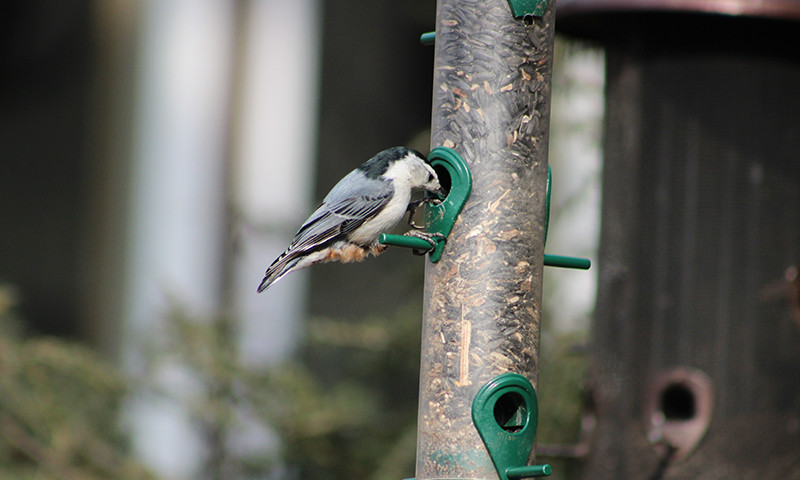
Choose a simple feeder, like a tube or hopper-style, to keep things easy.
Choosing Your First Feeder
You'll find many feeder options on the market, from socks to tubes to platforms and cage feeders and beyond. Each type is designed to work with a specific type of food or seed or to accommodate specific birds. To keep things simple as you start, choose a classic tube or hopper-style feeder. Both are easy to add seed to, and they have multiple places for birds to perch and eat. Plus, seed will flow easily through both. They hang from a shepherd’s hook or tree branch and are simple to clean. When stocked with sunflower seed, you’ll attract cardinals, finches, chickadees, titmice and nuthatches.
Two beginner-friendly feeders to try:
- Pennington Cedar Nature's Friend Bird Feeder: Made of weather-resistant, durable Eastern Red Cedar. Easy to fill and ready to hang. Holds up to 3 pounds of food. Ideal for small birds that will frequent your yard.
- Pennington Squirrel Resistant Feeder in Bronze: Chew-proof hanging cable and specifically designed ports help keep squirrels out of your birdseed. It includes six ports to feed more birds at once and a rust-resistant base that holds up to weather. Easy to fill and ready to hang. Holds up to 4 pounds of food.
If you want to be a little adventurous without stressing out, add a suet feeder. The Pennington Feeder Station for Cakes and Suet is weather-resistant and easy to hang, making it easy to attract woodpeckers, nuthatches and chickadees to your yard.
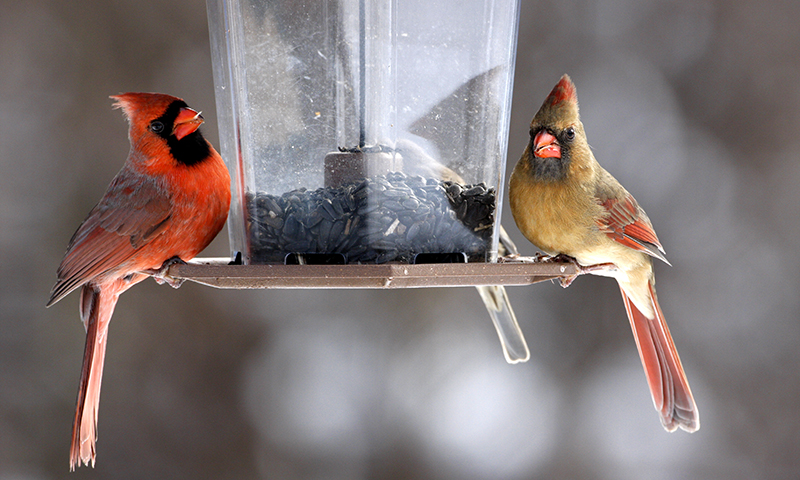
Black oil sunflower seed is popular with many birds, giving you a wide variety of visitors with one type of food.
Best Starter Feeds: Sunflower and Suet
Just like the feeders, you have options when it comes to the food you choose to provide. Seeds, nuts, mealworms, fruit and suet all attract different birds and offer different benefits. The two types essential for any beginning birder that attract the widest range of birds are black oil sunflower seeds and suet.
Black Oil Sunflower Seeds: Bird World’s Bread and Butter
Black oil sunflower seed is the beginner’s MVP. The shells are easy to crack, and the high-energy kernels appeal to a wide range of species. You’ll see cardinals, finches, chickadees, titmice, nuthatches, grosbeaks, and more seeking it out, making every bag worth its weight in feathered fun.
Black oil sunflower seeds to consider:
- Pennington Select Black Oil Sunflower Seed: High-quality protein and the #1 favorite among all seed-eating birds. Great to offer all year round and attracts cardinals, chickadees, goldfinches, woodpeckers, titmice and more.
- Pennington Ultra Songbird Blend: Attract nature's chorus to your yard with this blend of black oil sunflower seeds, safflower, peanuts, millet and raisins. This high-energy blend attracts chickadees, grosbeaks, cardinals, Purple Finches, woodpeckers and more.
Suet: More than Just Winter’s Power Snack
Suet is rendered beef fat often mixed with seeds, nuts or insects. It’s a top choice for woodpeckers, nuthatches, chickadees and titmice. Suet provides extra calories birds need for egg-laying, chick-raising, spring and fall migration and thriving in cold winter weather when other food sources are scarce. In summer when temps soar, choose no-melt options to avoid greasy drips (and keep those drips off birds' feathers!).
Suet options to consider:
- Pennington Feeding Frenzy High Energy! Suet Cake: Crafted from premium ingredients like whole sunflower to attract cardinals, chickadees, woodpeckers and titmice. This suet cake leaves no waste behind. Packed with nutrients, simply unwrap and place in a wire suet feeder.
- Pennington Feeding Frenzy Wild Bird Food Cardinal & Songbird Suet Nugget Blend: Specially formulated food packed with high-energy favorites like peanut suet nuggets, black oil sunflower seeds and raisins. Crafted to attract beautiful birds like cardinals, chickadees, Downy Woodpeckers, Carolina Wrens and others. Enriched with Pennington Bird-Kote vitamins and minerals for a balanced diet and the best in bird health. Use with a platform feeder.
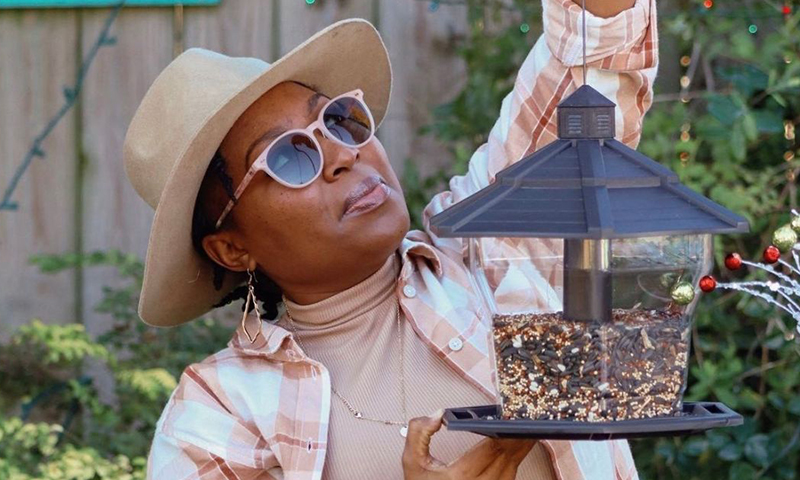
Attracting birds to your yard will take some patience. But they will come!
What to Expect When You Set Up Your First Feeder
When you set your first bird feeder up, it feels like it should be a "set it and they will come" scenario. However, it will take time for birds to find your feeder — anywhere from a few days to roughly two weeks before you see consistent visitors. Of course, this will depend on the season, the amount of trees and shrubs nearby (for hiding and nesting) and other natural food sources.
You can do a few things while you wait for birds to start showing up.
- Visibility: Place the feeder in an open area of your yard but near shrubs or small trees for quick cover and predator escape routes.
- Height: Hang feeders 5–7 feet off the ground to deter cats and squirrels, and keep refilling easy.
- Windows: Position feeders within 3 feet of a window or more than 10 feet away to reduce collisions and avoid injury. (If you need to place it close to a window, attach shiny stickers to the window to keep birds away from it.)
- Easy to refill and clean: Choose a stable, accessible spot that you can reach for regular refilling and cleaning. (If it's not easy to maintain, you'll likely stop using it.)
Food and Water Choices
Stock your feeder with black oil sunflower seeds for the first week. When you first start, don't fill it all the way full. Seed may go stale after a week or so, and you don't want to throw out a large amount. Once chickadees and titmice are regulars, start filling the feeder full and add suet in a nearby cage to draw in woodpeckers, nuthatches and more. (Suet will turn more quickly than seed, especially in warmer months.)
You can also add a water source to encourage birds to find your feeder more quickly. The Pennington Cedar Hanging 2 in 1 Bird Bath/Feeder is a good choice if you don't live near a river or pond.
Research the Birds in Your Region
One important thing you can do while you wait for birds to start ringing the food bell is to research the birds that call your neighborhood home. These birds can be year-round dwellers, winter dwellers or you happen to live on their migration path. The Cornell Lab's All About Birds website and the Audubon's Guide to North American Birds are good choices for your research. (Cornell Lab has an app that's great for helping you identify birds new to your yard!)
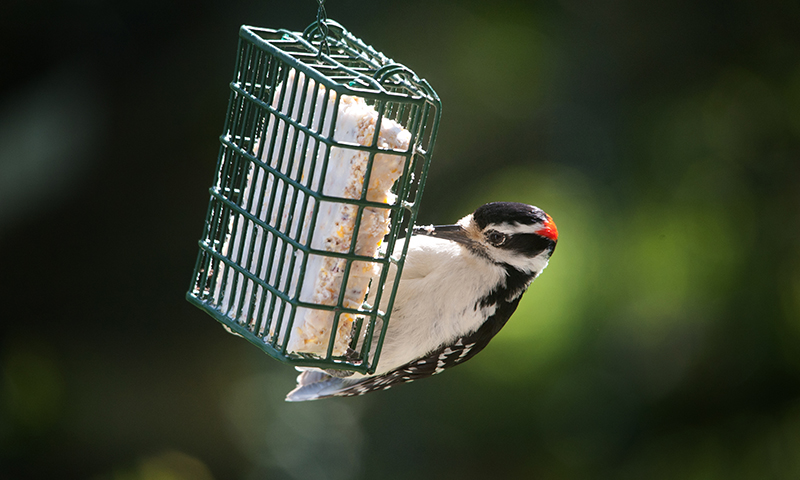
Maintaining bird feeders keeps everybody healthy, happy — and coming back for more.
Bird Feeder Care and Maintenance
Bird feeders need to be maintained to help keep the birds that visit your yard healthy.
Cleaning Bird Feeders
Clean metal or wooden feeders about every two weeks and glass feeders (like hummingbird feeders) about every week. Clean then more frequently in warmer weather or if you see sick birds in your yard. Wash your feeder with a water/bleach solution (9 parts water to 1 part bleach) to ensure you remove old seed, bird poop, etc. (For a gentler, non-toxic option, swap out the bleach for Worry Free! Brand 30% Vinegar Concentrate.) Soaking it for 10 minutes is a good idea, too. Be sure to rinse it thoroughly and allow it to air dry completely before adding fresh food. (Tip: It's a good idea to have two of each type of feeder, so you can swap one out while you're cleaning the other, so birds don't miss out on food — and you don't miss out on the entertainment.)
Changing Bird Food
In the beginning, it may be tempting to leave the food out until birds find it. But bird food can go bad, which can cause birds to become sick. When you first start, you want to set out just enough food to entice birds to check it out. Once they become regular diners, you can usually leave seed out for up to a week, unless you see it clump or it rains, then replace it immediately. Suet should be replaced every 3 to 4 days, unless it's cold out, then it may last longer. Aim to replace food about every 3 to 4 days, so it stays fresh. (No one wants a bad review!)
Keeping Out the Squirrels
Squirrels are extremely smart and extremely greedy when it comes to food. And once they find your bird feeders, they will do everything they can to get to it. But you don't have to give up and be exclusive squirrel feeders.
You can deter squirrels with some crafty thinking:
- Offer spicy food: Fun fact: Birds can't detect heat. Squirrels can. Keep squirrels at a distance by offering Pennington Feeding Frenzy Hot Pepper Delight or adding hot pepper powder to your bird seed. Just mix with a little oil so it sticks.
- Try a squirrel-proof feeder: Not all feeders are created equally. Some are specifically designed to keep squirrels out, like the Pennington Squirrel Resistant Feeder in Bronze. The feeding ports are designed to let birds eat but keep squirrels out.
- Create baffles: Baffles are a physical blockade that keeps squirrels away from your feeder. You can buy special baffles designed specifically for bird feeders, or get creative with old lampshades or even 2-liter soda bottles. You can even try a coiled spring child's toy. Its springy nature is usually too wiggly for a squirrel to grab hold of.
- Try a different location: Make sure only birds can get to the feeder by keeping it away from trees, your roof or other things squirrels can use to jump onto the feeder.
- Feed the squirrels: You can always distract squirrels by giving them their own food — away from your bird feeders, of course. The Pennington Classic Squirrel and Critter Blend includes corn, sunflower and peanuts and is a tasty treat squirrels will enjoy. Either sprinkle on the ground or pair with the Pennington Cedar Squirrel Snacker.
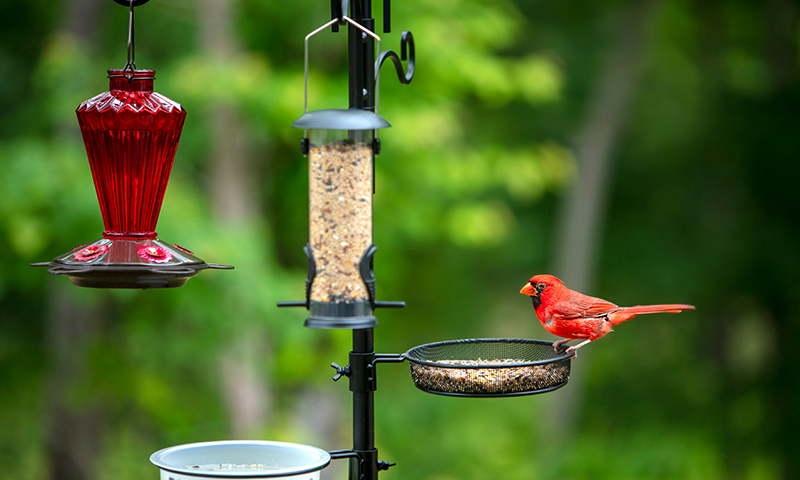
Once you start, you won't be able to stop with just one.
Don't Stop with the Basics — Expand Your Bird Feeding Hobby for Endless Adventures
Once you've got the basics down, it's time to ramp up your backyard birding adventure. Start experimenting with different types of seeds to attract specific birds to your yard (remember to consult your research from earlier). Play around with suet and seed combos and add different types of feeders, like the Pennington 16 oz. Glass Hummingbird Feeder, to bring an even greater variety of birds to your yard.
Feeding wild birds that come to your yard is a rewarding experience for you and your family. Keep a journal of the birds you see throughout the year and experiment with different food and feeder combos. There is no wrong answer to your birding adventure. If you've got questions about feeding the birds in your yard, reach out! Our love of birds and backyard adventures goes back generations. We're Pennington. We're here to help.
Always read product labels thoroughly and follow instructions.