.png?h=146&iar=0&w=301&hash=690753E2FA9563314B9D941A755BB22F)

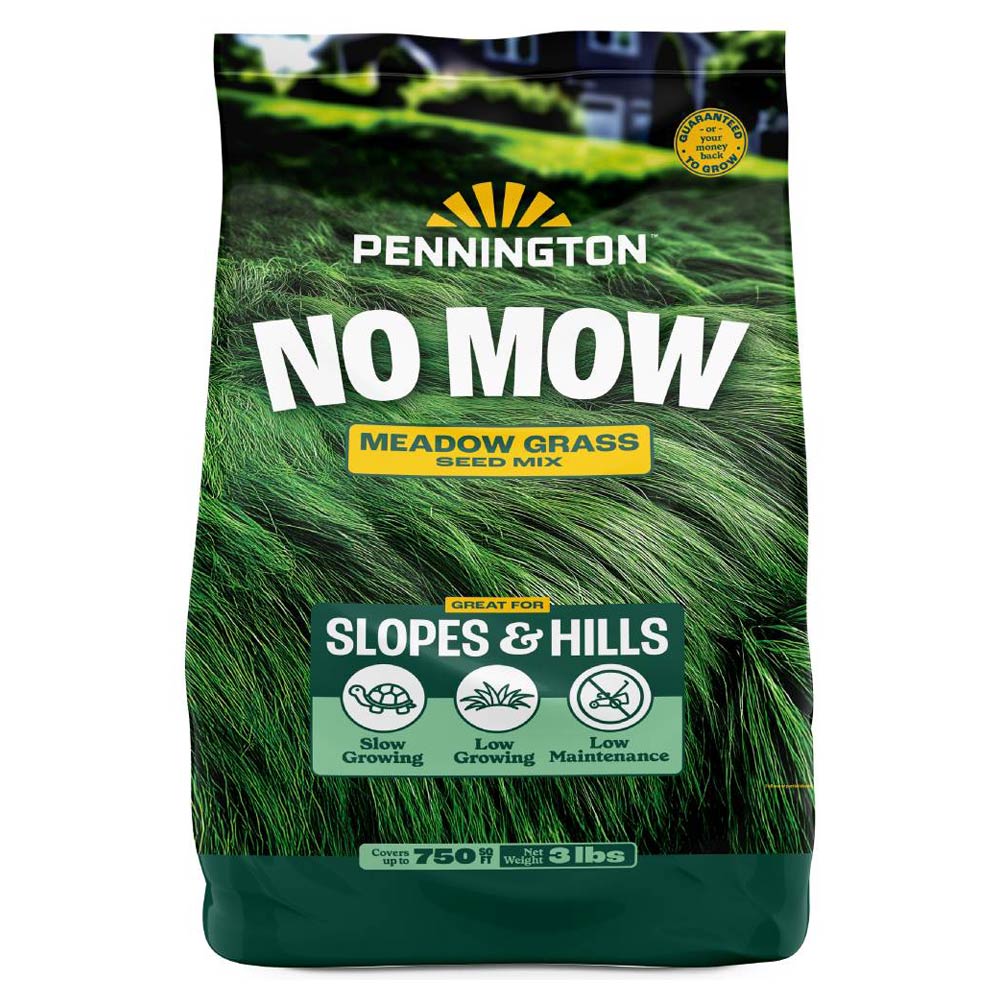
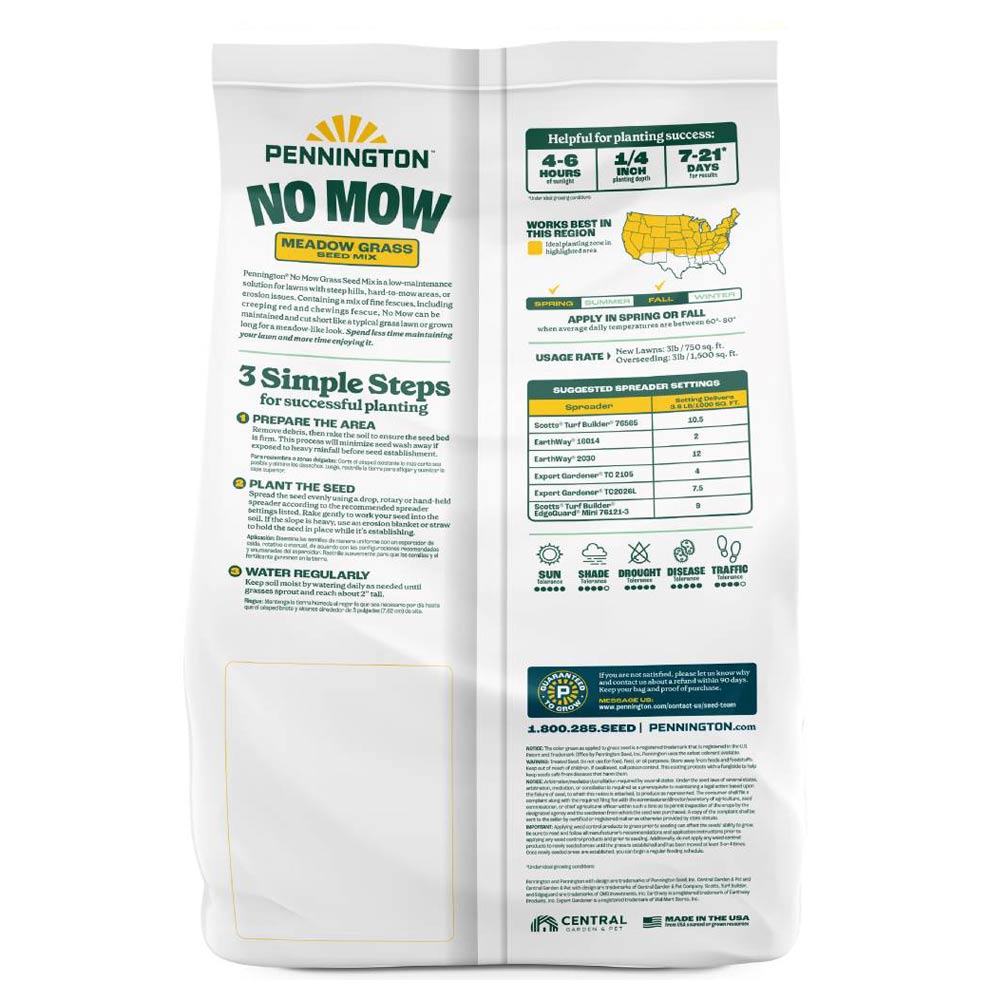
Pennington No Mow Meadow Grass Seed Mix
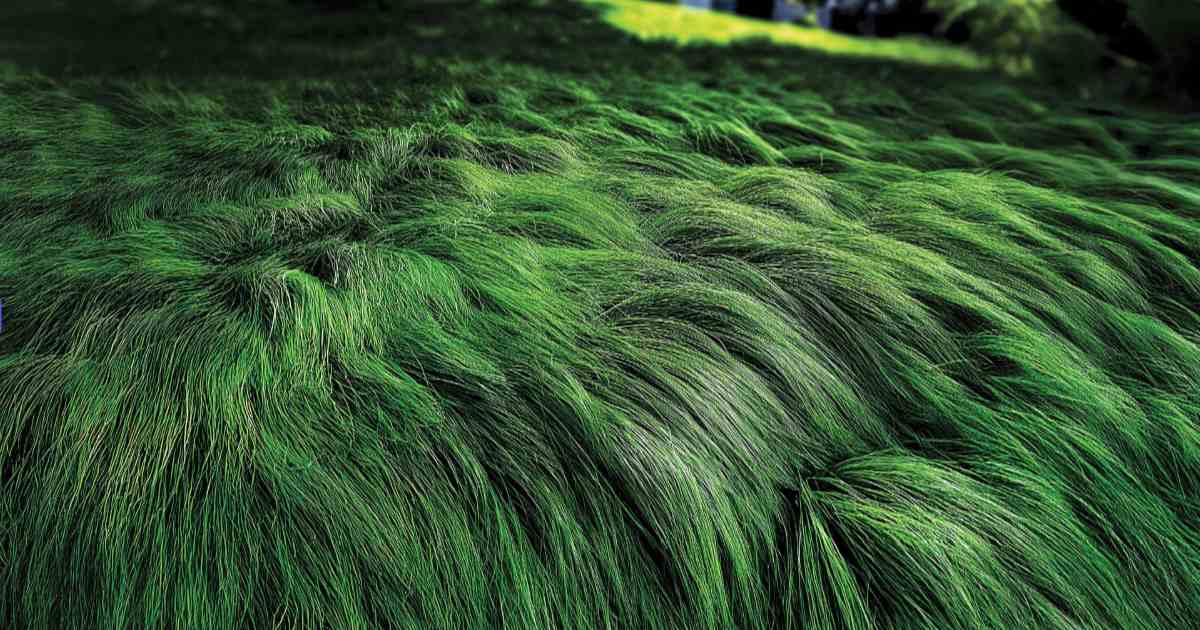
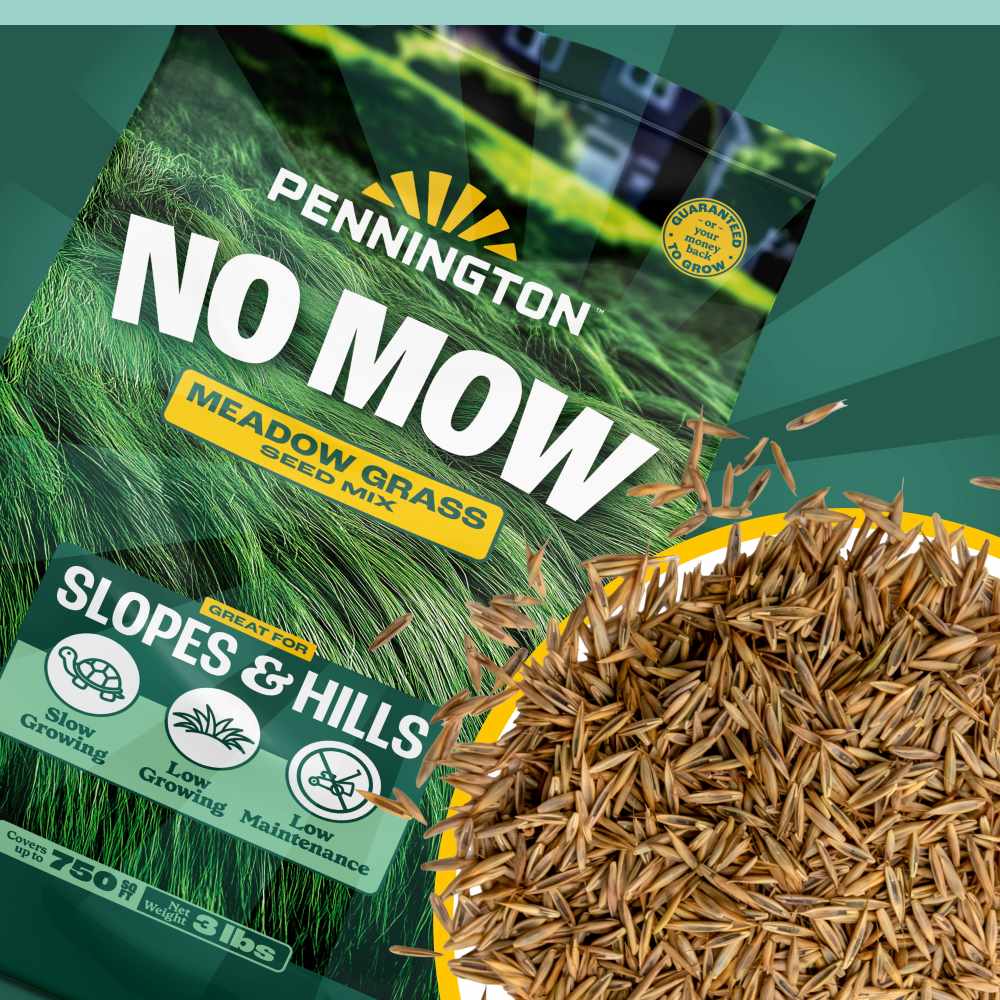
Give your lawn a low-maintenance upgrade with Pennington No Mow Meadow Grass Seed Mix. This easy-to-care-for grass seed product is designed for slopes, hills, and hard-to-mow areas, providing natural coverage that enhances your outdoor spaces. The mix includes fine fescues such as creeping red and chewings fescue, known for their durability, adaptability, and soft, uniform appearance. They naturally grow up to about 12 inches, then gently flop over to around 6 inches, creating a soft, meadow-style look that never becomes too tall or requires mowing. This seed mix helps create a lush, low-growing yard that fits your vision. Pennington No Mow Grass Seed Mix is drought tolerant and adaptable to varying conditions, making it ideal for sustainable lawn care, erosion control, and reduced maintenance. Spend less time mowing and more time enjoying a beautiful yard with grass seed that thrives season after season, naturally blending beauty and performance for dependable results.
Size
- Low-Maintenance Grass Seed Mix: Grows up to 12 inches, then naturally flops to about 6 inches for a manageable, no-mow height
- Perfect for Slopes, Hills, and Lawns: Grows beautifully in erosion-prone or hard-to-mow areas for even coverage
- Saves Time and Supports Sustainability: Promotes eco-friendly lawn care
- Best for Spring or Fall Planting: Establishes easily during moderate temperatures for dependable, lasting growth
- Simple to Use: Prepare soil, spread seed evenly, and water regularly to encourage consistent, uniform growth
- Ideal for Homeowners and Gardeners: Designed for anyone seeking a low-maintenance, natural-looking lawn that saves time and effort
- Trusted Pennington Quality: Premium grass seed mix engineered for lasting performance and reliable coverage
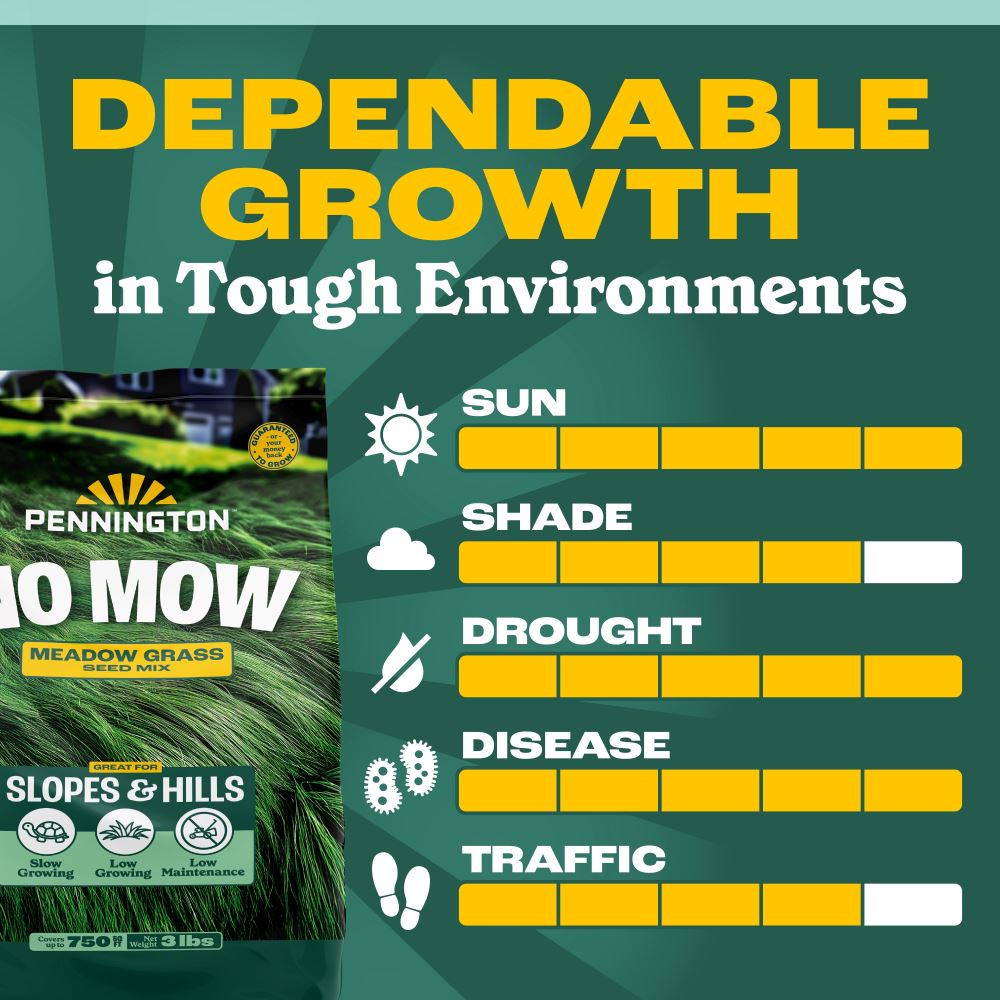
- Daily Light Required: 4-6 hours
- Sun Tolerance: Good
- Shade Tolerance: Very Good
- Drought Tolerance: Good
- Disease Resistance: Good
- Traffic Tolerance: Good
- Recommended Planting Dates: Spring or Fall
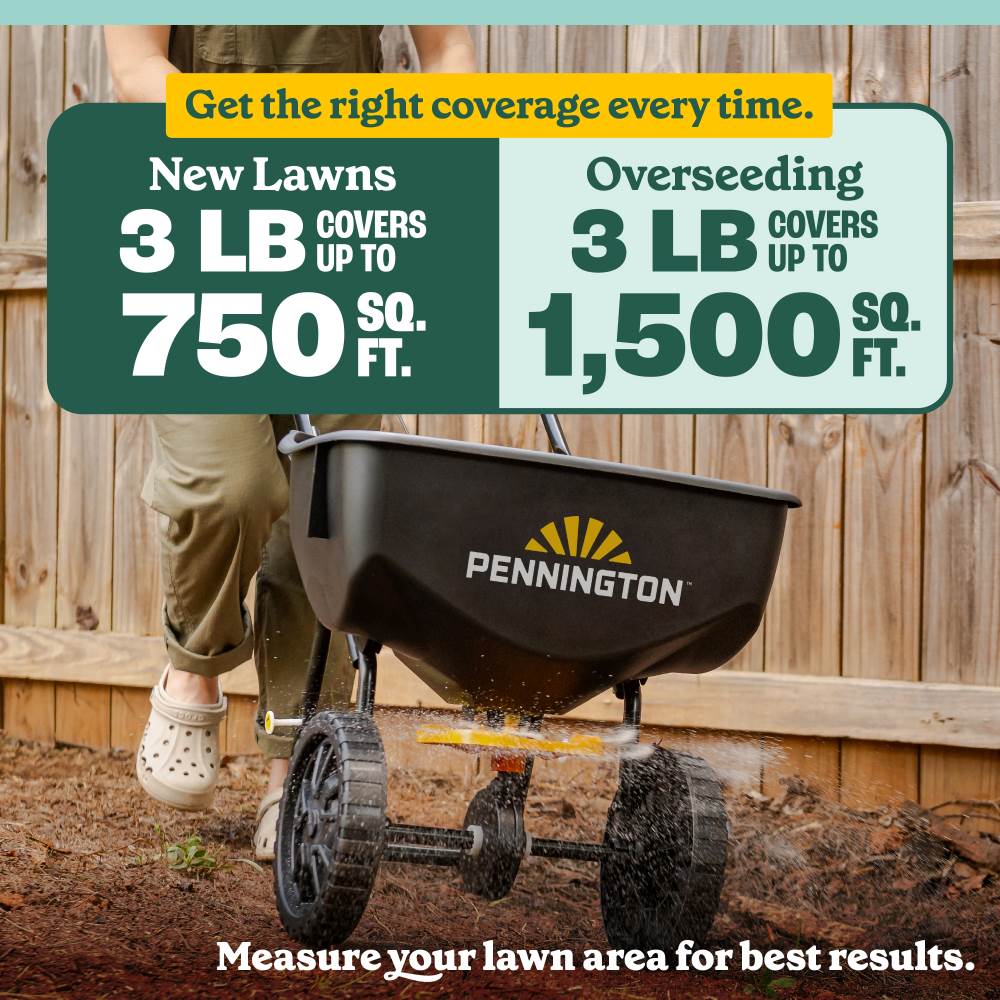
- Planting Rates: New Lawns: 3 lbs / 750 sq. ft. Overseeding: 3 lbs / 1,500 sq. Ft.
- Planting Depth: 1/4"
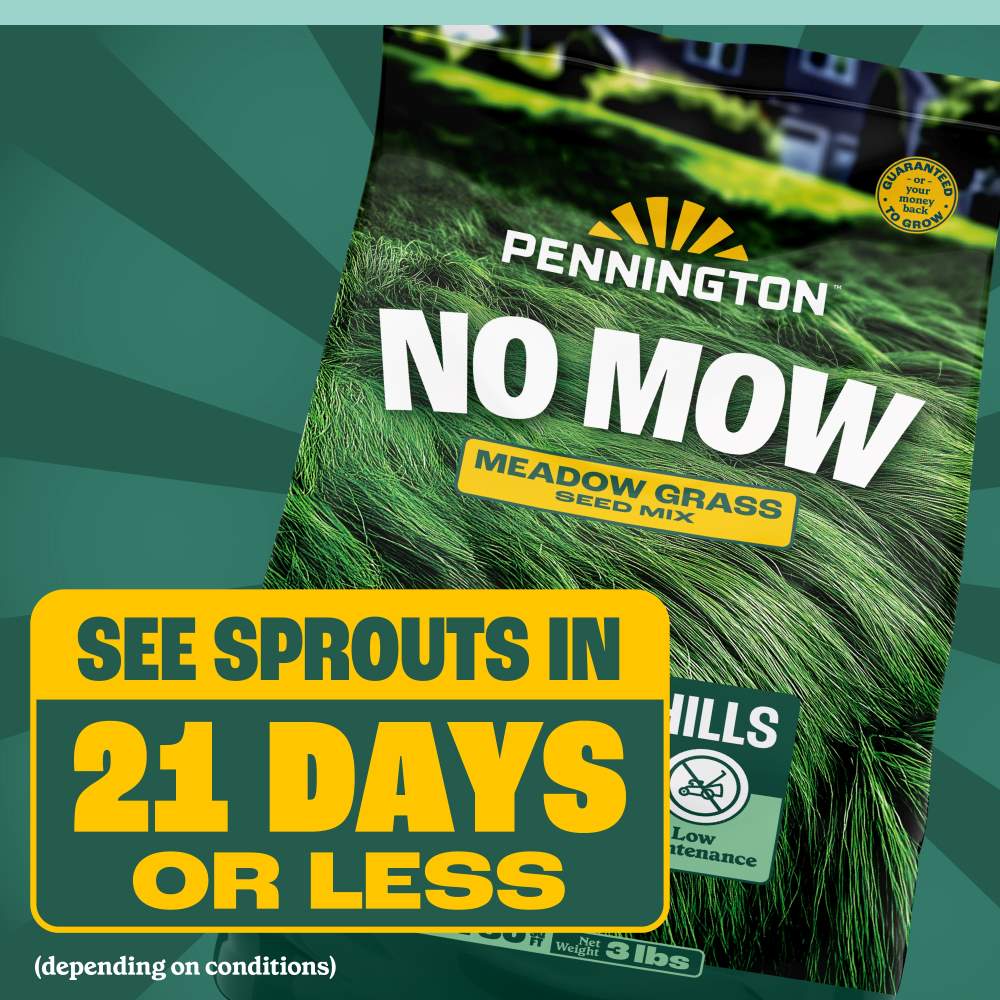
- Germination: 7-21 days
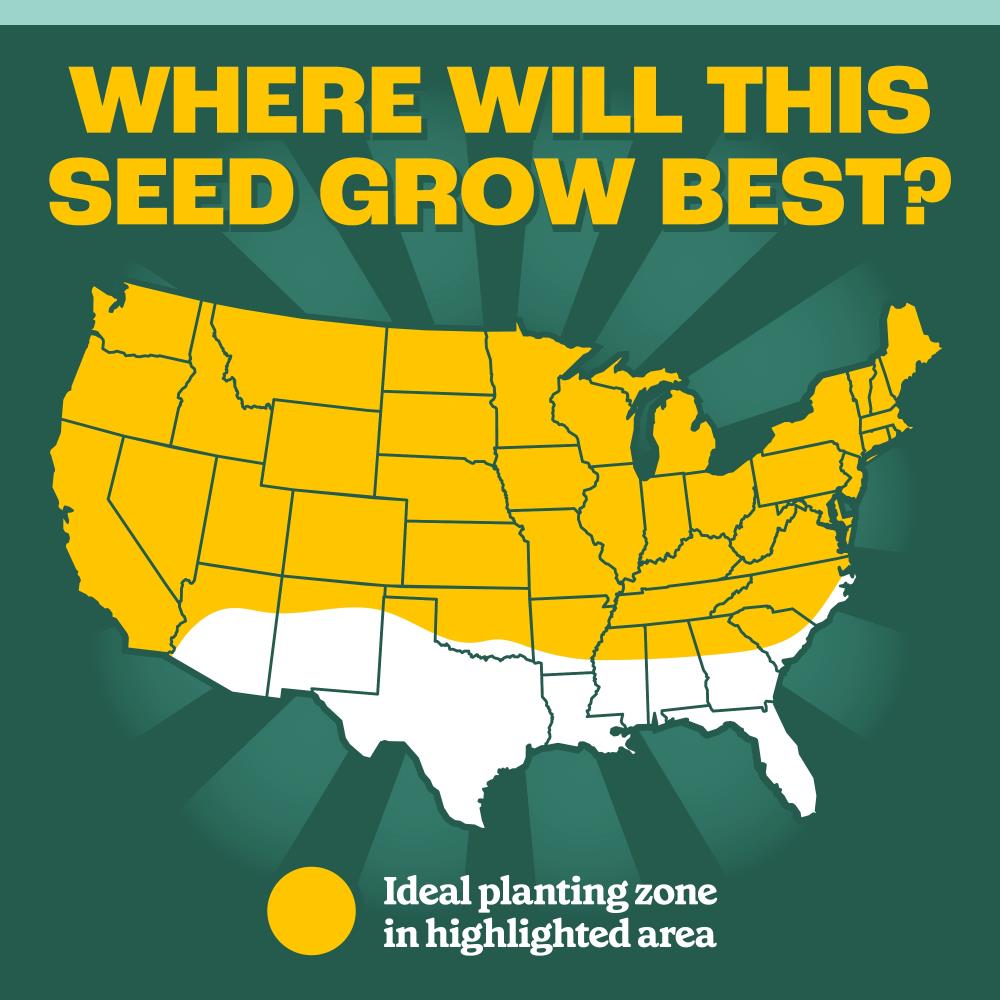
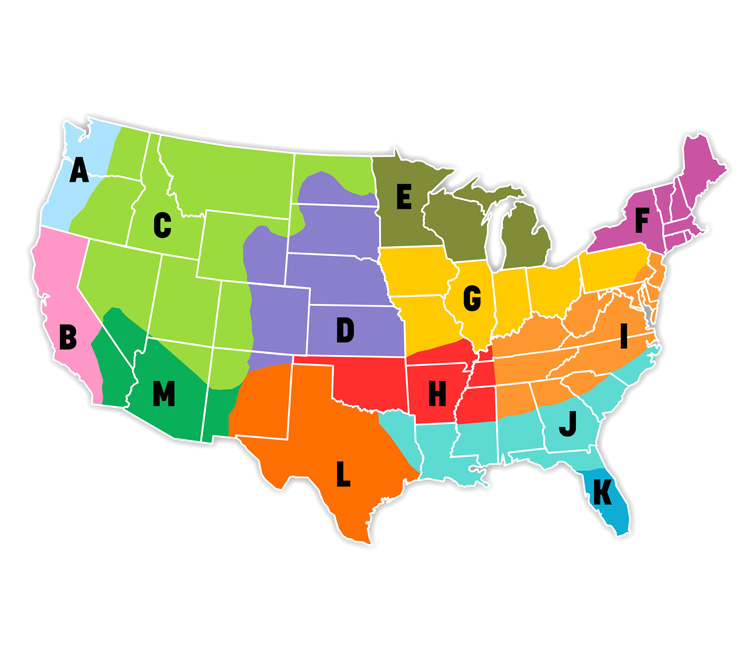
Planting Zone: A, B, C, D, E, F, G, H, I
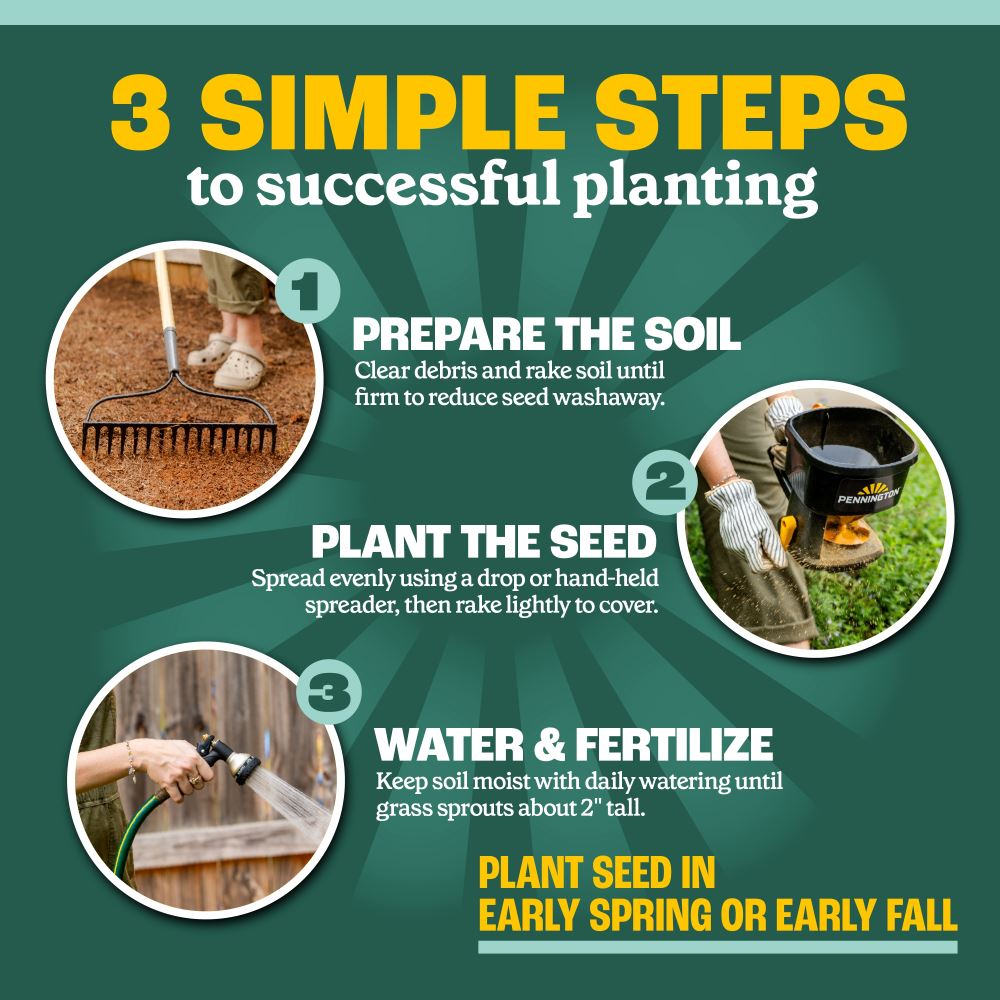
Step 1: Prepare
Prepare the area: Remove debris, then rake the soil to ensure the seed bed is firm. This process will minimize seed wash away if exposed to heavy rainfall before seed establishment.
Step 2: Apply Seed
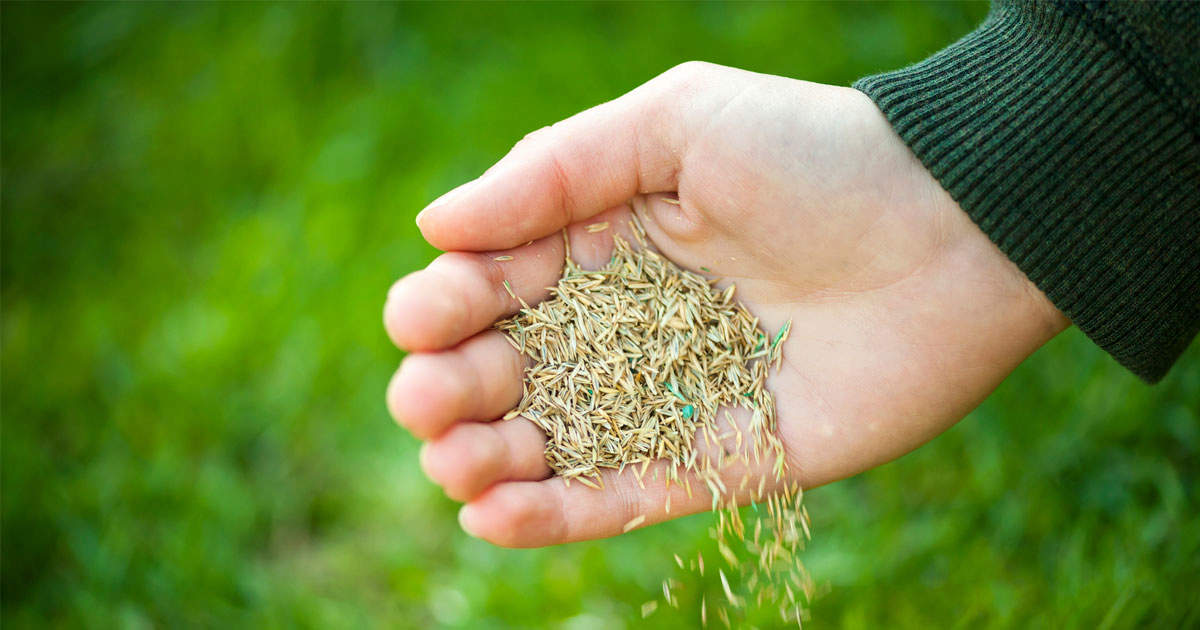
Plant the seed: Spread the seed evenly using a drop, rotary or hand-held spreader according to the recommended spreader settings listed. Rake gently to work your seed into the soil. If the slope is heavy, use an erosion blanket or straw to hold the seed in place while it's establishing.
Step 3: Water
Water regularly. Keep soil moist by watering daily as needed until grasses sprout and reach about 2" tall.
Frequently Asked Questions
-
What is the Pennington No Mow Grass Seed Mix and what makes it different from regular grass seed?The Pennington No Mow Grass Seed Mix is a low-maintenance grass seed blend designed to create a natural-looking lawn that requires little to no mowing. Unlike conventional grass seed, this mix grows to about 12 inches tall and then naturally falls over, creating a flowing, meadow-like appearance without the need for regular cutting. It is ideal for homeowners who want a beautiful lawn with minimal upkeep.
-
How much area does a 3 lb. bag of Pennington No Mow Grass Seed Mix cover?One 3 lb. bag of Pennington No Mow Grass Seed Mix covers up to 750 square feet. This makes it well-suited for smaller lawns, accent areas, slopes, or hard-to-mow sections of a yard. For larger areas, multiple bags would be needed to achieve full coverage.
-
Is No Mow grass seed good for slopes and hard-to-mow areas?Yes, the Pennington No Mow Grass Seed Mix is specifically designed for slopes and hard-to-mow areas. These locations are often difficult or even unsafe to mow regularly, making a low-maintenance, no-mow grass variety an ideal solution. Once established, the grass grows naturally without requiring the regular intervention that traditional turf grasses demand.
-
How tall does No Mow grass grow, and does it ever need to be mowed?The Pennington No Mow Grass Seed Mix grows up to 12 inches tall and then naturally falls over, giving it a soft, cascading appearance. Because of this natural growth habit, the grass largely manages its own height without requiring routine mowing. Occasional mowing may still be done according to personal preference, but it is not required for the lawn to look maintained.
-
What are the pros and cons of No Mow grass?The main advantages of No Mow grass include dramatically reduced mowing time, lower maintenance costs, and suitability for difficult terrain like slopes. On the downside, No Mow grass has a different aesthetic than a traditional manicured lawn — it takes on a more natural, meadow-like look that may not suit every homeowner's preference. Additionally, allowing grass to grow taller can provide habitat for pollinators, which is an environmental benefit but may not appeal to everyone.
-
Is No Mow grass seed a good choice for a low-maintenance lawn?Yes, the Pennington No Mow Grass Seed Mix is explicitly formulated as a low-maintenance grass seed mix for a natural lawn. It eliminates the need for frequent mowing by growing to a natural height and then falling over on its own. This makes it one of the most practical options for homeowners looking to reduce the time and effort spent on lawn care.
-
Does No Mow grass seed benefit pollinators?Allowing No Mow grass to grow without cutting can enable certain flowers and plants within the lawn to bloom, which provides valuable habitat and food sources for pollinators like bees and butterflies. This environmental benefit is a notable advantage of choosing a no-mow lawn approach over conventional, frequently mowed turf. Homeowners interested in supporting local pollinator populations may find a No Mow lawn particularly appealing.
-
When is the best time to plant No Mow grass seed?The best time to plant grass seed, including No Mow mixes, is generally in early fall, with September being the optimal month. Seeding can still be done up to around October 15 with good results, though success rates decrease as temperatures drop later in the season. Spring planting is also possible, but fall seeding typically gives grass seed the best conditions for establishment before harsh weather sets in.
-
Is it too late to plant No Mow grass seed in October?Planting No Mow grass seed in October is still possible, though results are generally better earlier in the fall season. For best results, plant when daytime air temperatures are consistently between 60–75°F to support germination and establishment. Grass seed planted by around October 15 has a reasonable chance of establishing before winter, though September is generally considered the ideal planting window. Seeding much later than mid-October can reduce the likelihood of successful germination and winter survival.
-
What common mistakes should I avoid when planting No Mow grass seed?Common mistakes when planting grass seed include poor soil preparation, planting at the wrong time of year, and failing to keep the seed adequately moist during germination. Overseeding or underseeding relative to the recommended coverage rate — 3 lbs. per 750 sq. ft. for this product — can also lead to patchy or overcrowded results. Following the manufacturer's seeding rate and timing guidelines gives No Mow grass seed the best chance of establishing a thick, healthy lawn.
-
Is Pennington a reputable brand for grass seed?Pennington is one of the most widely recognized and trusted grass seed brands in the United States, with products available at major retailers. The brand offers a broad range of grass seed products for different climates, lawn types, and maintenance preferences. The Pennington No Mow Grass Seed Mix reflects the brand's focus on both performance and practical lawn care solutions.
-
Is No Mow fescue grass seed a good option, and what are its pros and cons?No Mow grass mixes, which often include fine fescue varieties, are praised for their extremely low maintenance requirements and ability to thrive in difficult growing conditions. The pros include minimal mowing, drought tolerance once established, and a natural aesthetic that supports biodiversity. The cons include a non-traditional appearance that differs from a classic manicured lawn, and the need for some patience during the initial establishment period.
-
Can No Mow grass seed be used in Michigan or other northern climates?No Mow grass seed mixes are generally well-suited to northern climates, including states like Michigan, because they are typically composed of cool-season grasses such as fine fescues that thrive in cooler temperatures. These grass types establish well during fall seeding and are hardy through cold winters. Homeowners in northern regions should follow regional seeding timing guidelines and ensure good seed-to-soil contact for best results.
-
How does the Pennington No Mow Grass Seed Mix create a natural lawn look?The Pennington No Mow Grass Seed Mix produces a natural, flowing lawn appearance by growing up to 12 inches and then gracefully falling over rather than standing upright like traditional turf grass. This cascading growth habit gives the lawn a soft, meadow-inspired look without requiring routine mowing to stay tidy. It is a popular choice for homeowners seeking an organic, low-intervention landscape aesthetic.
Related Articles & Products