How to Grow and Care for Peonies
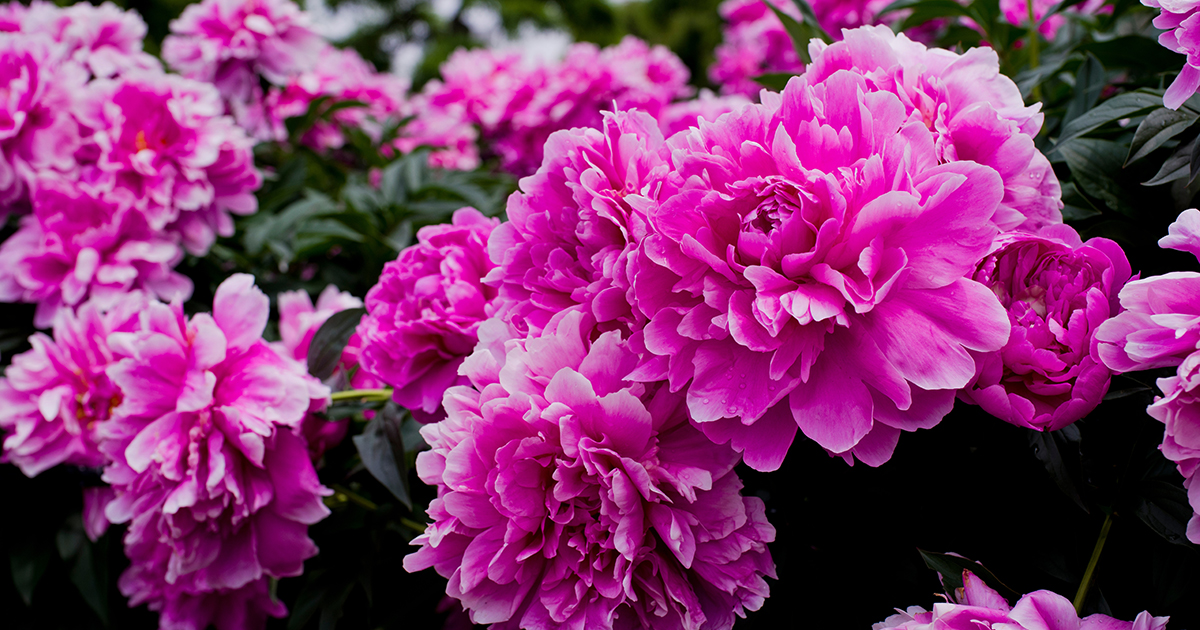
Peonies produce large, colorful blooms to brighten your yard. This deciduous bushy plant enhances landscaping features, adds volume to homegrown bouquets or anchors gardens with fragrant, oversized flowers blooming in spring in the United States. You can easily make peonies thrive in your yard with a little know-how and flower maintenance.

Peony shrubs beautify your property.
Types of Peonies
Like most flowers, peonies come in many varieties. Once established, these perennial shrubs awaken from their winter slumber each spring to add beauty and a light floral scent to your yard.
Peonies dazzle flower lovers with many bold and pastel hues, including red, magenta, lavender, light pink, yellow, cream and white.
The most common types of peonies you'll find at North American garden centers or floral greenhouses include:
Herbaceous "Classic" Peony
The old-fashioned and most common type of peony we've come to adore. The classic peony stuns with palm-sized blooms and firm, green stems and grows about 2 to 4 feet tall. Flowers of classic peonies come in a range of options from single (about five petals on a flower), bomb (many petals, giving the flower a very frilly appearance), to full double and beyond. Most herbaceous varieties love sunshine. One herbaceous peony, the woodland, thrives in shaded areas of the yard. Some gardeners seek out the fernleaf variety with its big blooms and delicate fern-like greenery. Herbaceous peonies die down to the ground in fall, and rebound with new growth in spring.
Tree Peony
Unlike its name suggests, the tree peony is short and stubby with woody stems. These flowers love the sun, but can tolerate partial shade. Tree peonies take a bit longer to grow to their full size (anywhere from 3 to 7 feet tall) and get established in your yard than the classic herbaceous peony varieties. Don't cut this shrub back in fall — spring flowers will emerge on existing woody stems. It's this characteristic (woody stems that don't die back in winter) where the name "tree peony" comes from.
Intersectional or Itoh Peony
This peony type embodies the large blooms of the herbaceous and the woody stems of the tree varieties, and grows to 2 to 2.5 feet tall. Gardeners love knowing blight doesn't easily affect this flower as it does the others. However, intersectional peonies are less fragrant than other types. When fall comes, stems of intersectional peonies will die down and come back with new growth in spring.
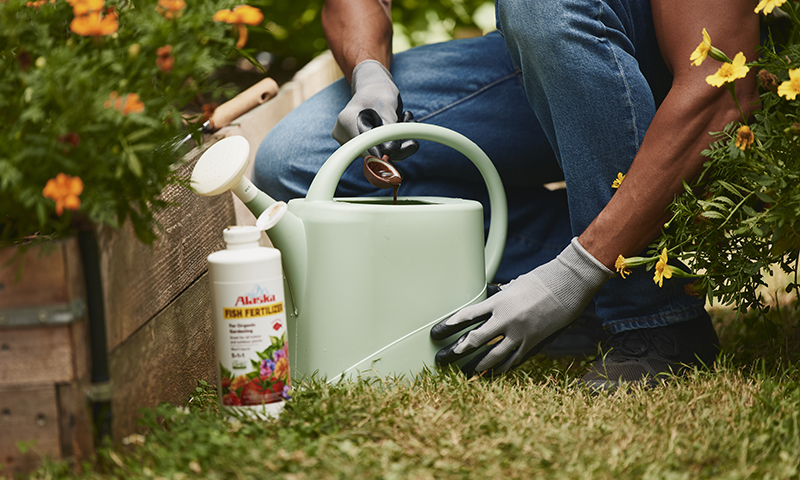
Nourish your soil with Alaska Fish Fertilizer 5-1-1 when planting or transplanting peonies.
Peony Planting Tips
Peonies manage changing seasons well (including winter) and generally don't attract hungry wildlife, making them a perfect flower for North American lawns in USDA plant hardiness zones 3 through 8. Things to consider as you plant your peony shrubs:
- Location: Peonies usually prefer sunny areas, but a few varieties love partial shade. Read the label of your variety closely to ensure which type you have.
- Timing: It's best to plant peonies in the fall season before first frost and just before the plant goes dormant for the winter.
- Soil: These flowers like well-draining soil without much clay or sand. Peonies prefer a neutral to slightly alkaline soil type.
- Size: Peonies are shrubs, which means they require ample space for growth — they will spread 3 to 5 feet in diameter. Peony heights vary depending on the variety you choose and range from 1 foot to 7 feet tall.
Planting: When you're ready to plant your peonies, prep your soil with Alaska All Purpose Fish Fertilizer 4-6-4. Simply sprinkle the powder over the soil and use a trowel to mix it in. Before planting, look closely at the thick, tuberous roots of your peony plant and smaller roots flowing below. At the top of the thick area, you'll see pink or white buds, called eyes. Cover these with 1-2 inches of soil for herbaceous and intersectional varieties. Tree peonies like a deeper 4 to 6 inch planting. For any variety, if the eyes are buried too deep in the soil, the peony will not bloom in the spring. After planting, water the peony to activate the fertilizer.
Peony Transplanting Tips
If you're transplanting a peony from one area of your yard to another, it's best to do this in the fall before frost and snow begin, usually in September or October.
Dig up the plant, wash away the soil, trim off any dead or rotting material and look for the eyes. Each newly divided plant section should have two or three thick tuber roots, some smaller roots and three to five buds.
It's common for peonies not to bloom the first year after transplanting. Be patient. Blossoms will emerge in the following years. To reduce the possibility of transplant shock, use Pennington Easy-Dose Plant Starter. Simply add the liquid to your watering can and nourish the plant after it's moved to its new location.
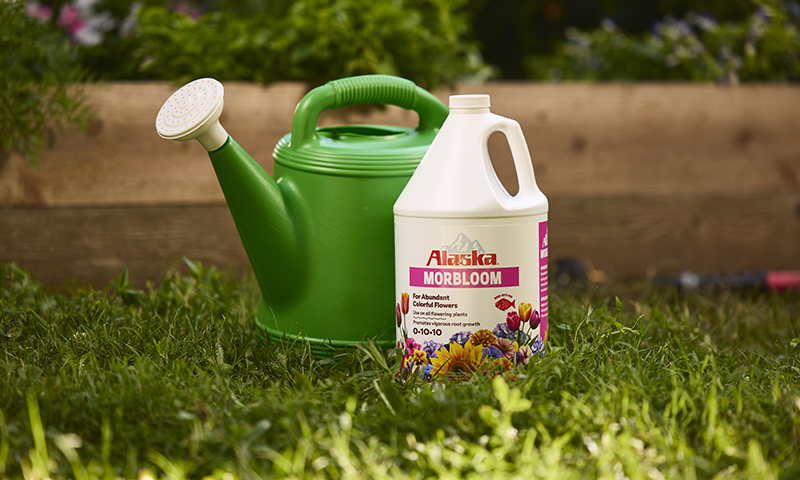
Use Alaska Morbloom Fertilizer 0-10-10 to stimulate peony blossoms.
Caring for Peony Flowers
As long as your peonies have plenty of sun, they tend to thrive with regular rain or watering.
Plant Maintenance
Peony leaves shouldn't stay wet for too long. Moisture build-up may cause powdery mildew, peony leaf blotch or botrytis blight. Plant your peonies in an area with ample air movement to reduce the chances of these issues. In early spring, treat your peonies to Alaska Morbloom Fertilizer 0-10-10 to stimulate budding and flowering. This natural, fish-based plant food promotes vigorous root growth and colorful blooms.
Bloom Care
Once buds appear, cut peonies to enjoy in bouquets. It's best to gather them in the morning as buds begin to open. They should feel a little squishy, but overall firm. Give the buds a rinse under cool water to remove any insects, let them air dry and enjoy!
For organic gardening, and to enhance bloom quantity, foliage health and growth of your peony shrubs by adding Alaska Fish Fertilizer 5-1-1 to the soil every three weeks during the spring to early fall growing season.
For blossoms left on shrubs to enjoy outdoors, get into the habit of pruning the spent blossoms regularly so stems don't get weighed down and break. And at the end of fall, trim stems of herbaceous and intersectional peonies to the ground. Woody stems of tree peonies should remain intact throughout winter, in preparation for spring blooms.

Peonies appreciate watering and fertilizing.
Enhance Your Garden with Peonies
The natural beauty of fluffy, large peony blossoms attracts many gardeners. You can easily add these shrubs to your landscaping design or flower garden to bring color and fragrance to your yard. Most types of peonies love sunshine and a boost of nutrition from fertilizer to encourage flowering.
We’re Pennington. Let us help you nurture your roots.
Always read product labels thoroughly and follow instructions.