.png?h=146&iar=0&w=301&hash=690753E2FA9563314B9D941A755BB22F)

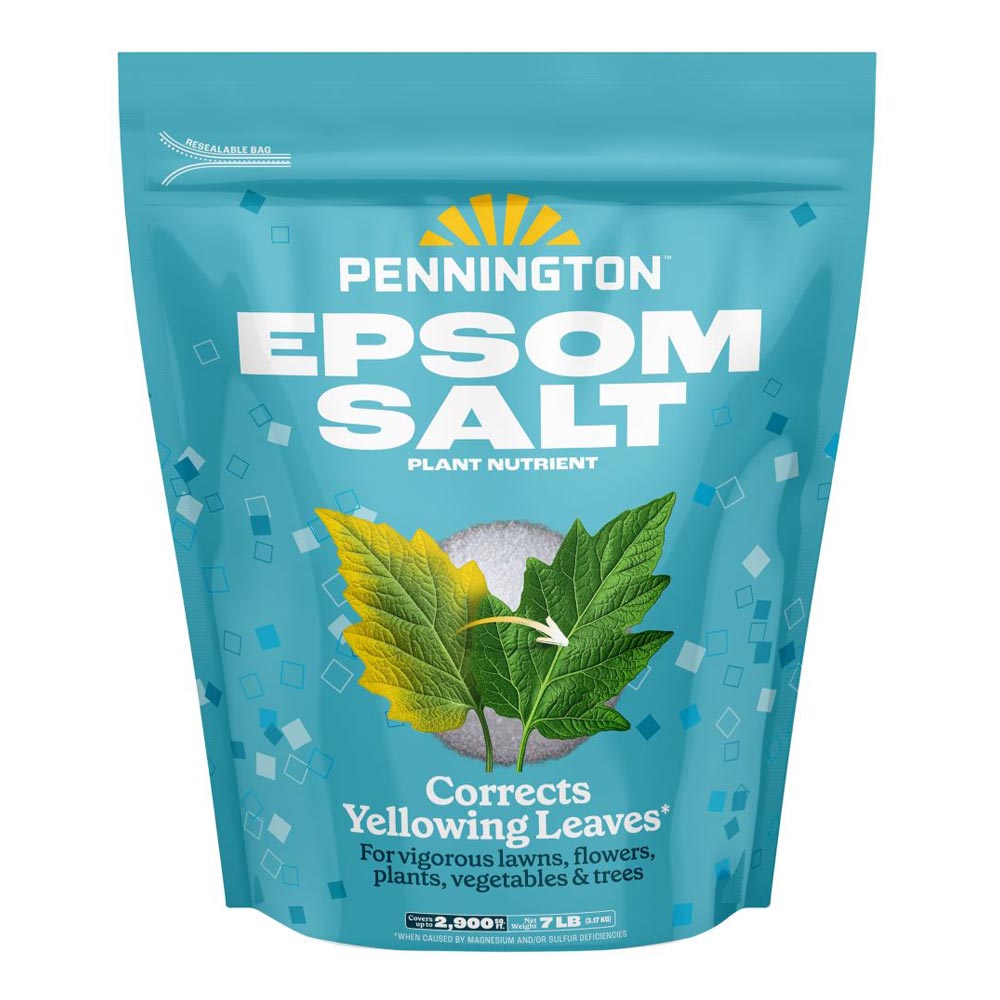

Pennington Epsom Salt Plant Nutrient
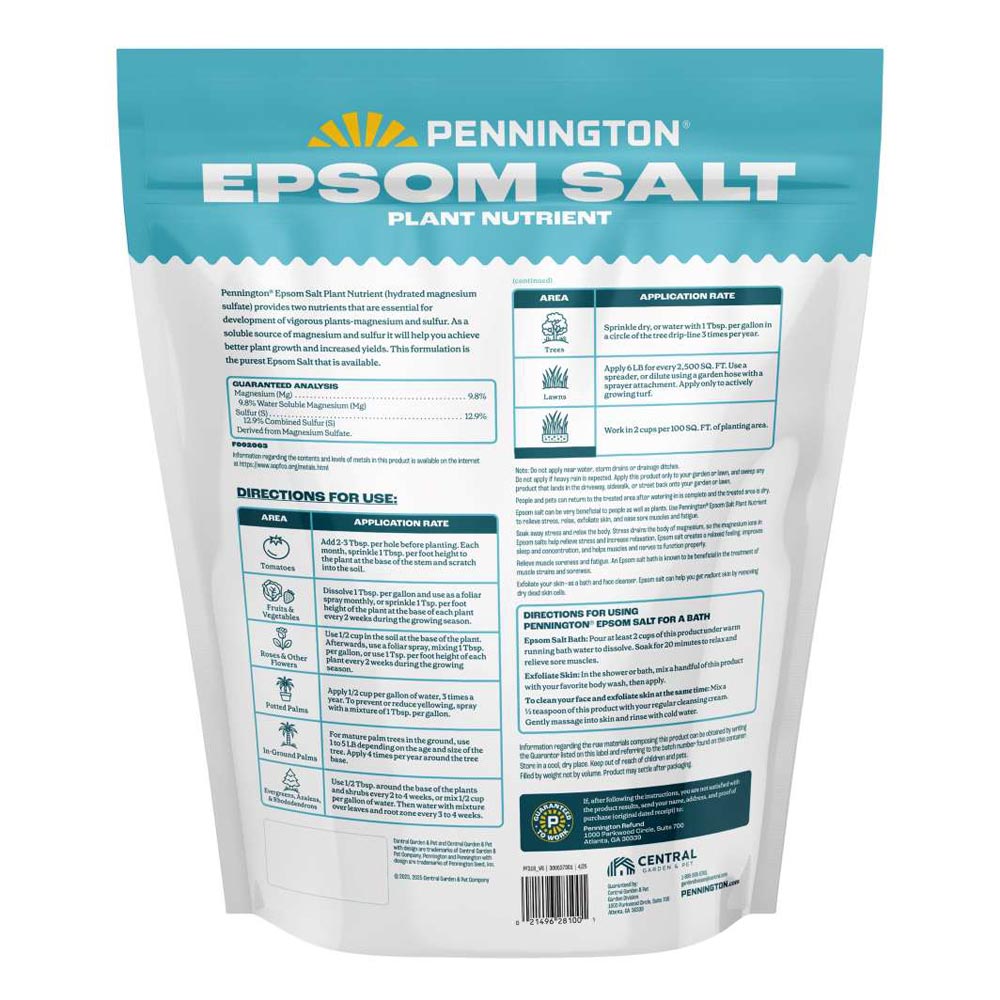
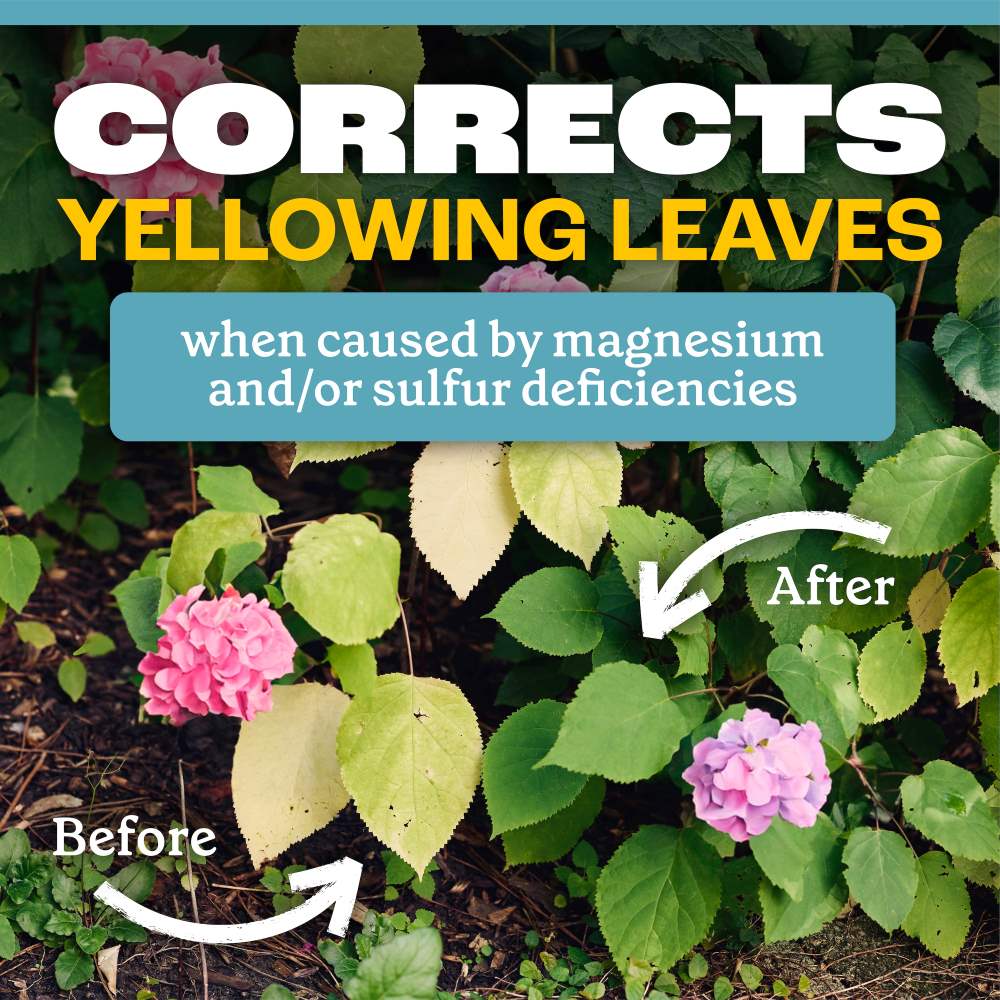
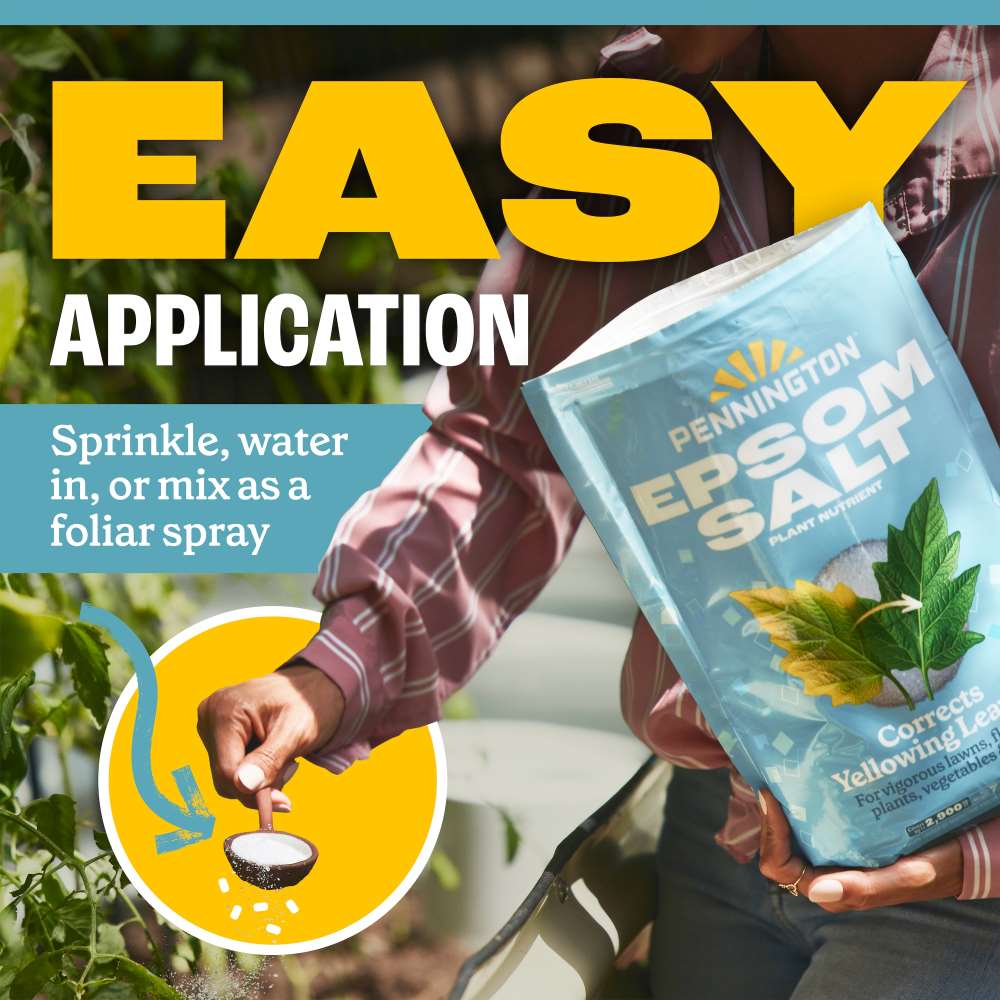
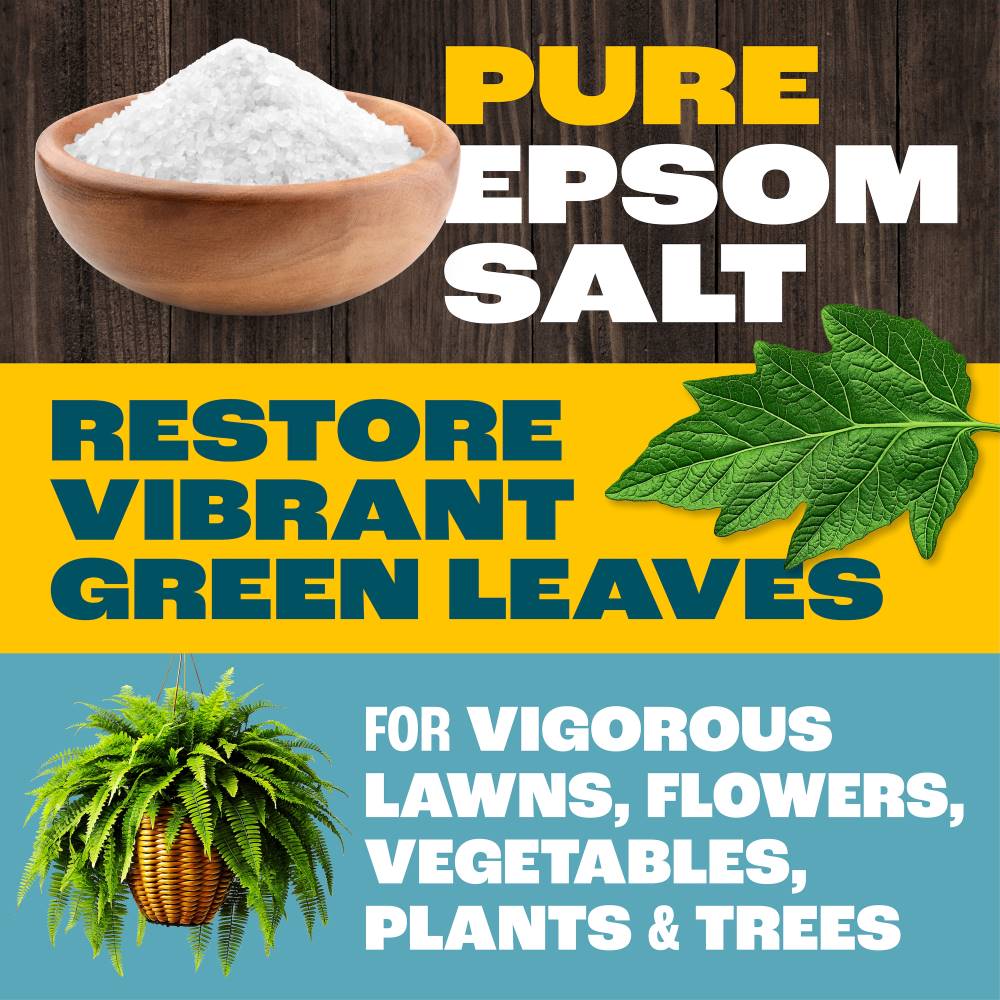
Bring new life to your indoor and outdoor gardening with Pennington's Epsom Salt Plant Nutrient. This pure and soluble source of magnesium and sulfur supports vigorous lawns, flowers, vegetables, and trees. By correcting yellowing leaves caused by magnesium and/or sulfur deficiencies, this epsom salt for plants helps them grow strong and flourish season after season. Trusted by generations of gardeners, Pennington provides the nutrients your plants need in a form that's simple to apply and easy to trust. From roses to tomatoes, evergreens to palms, this resealable bag ensures lasting freshness and convenience with every use. Whether sprinkled into the soil or dissolved for foliar feeding, Pennington's epsom salt plant food helps create thriving landscapes that reflect the pride you take in your yard. People and pets can return to the treated area after watering-in is complete and the treated area is dry. Celebrate each step of your gardening journey and enjoy results rooted in quality and care.
Size
- Greener Growth: Helps correct yellowing leaves caused by nutrient deficiencies
- Nutrient Support: Pure, water-soluble magnesium and sulfur deliver key nutrients that strengthen lawns, flowers, vegetables, and trees
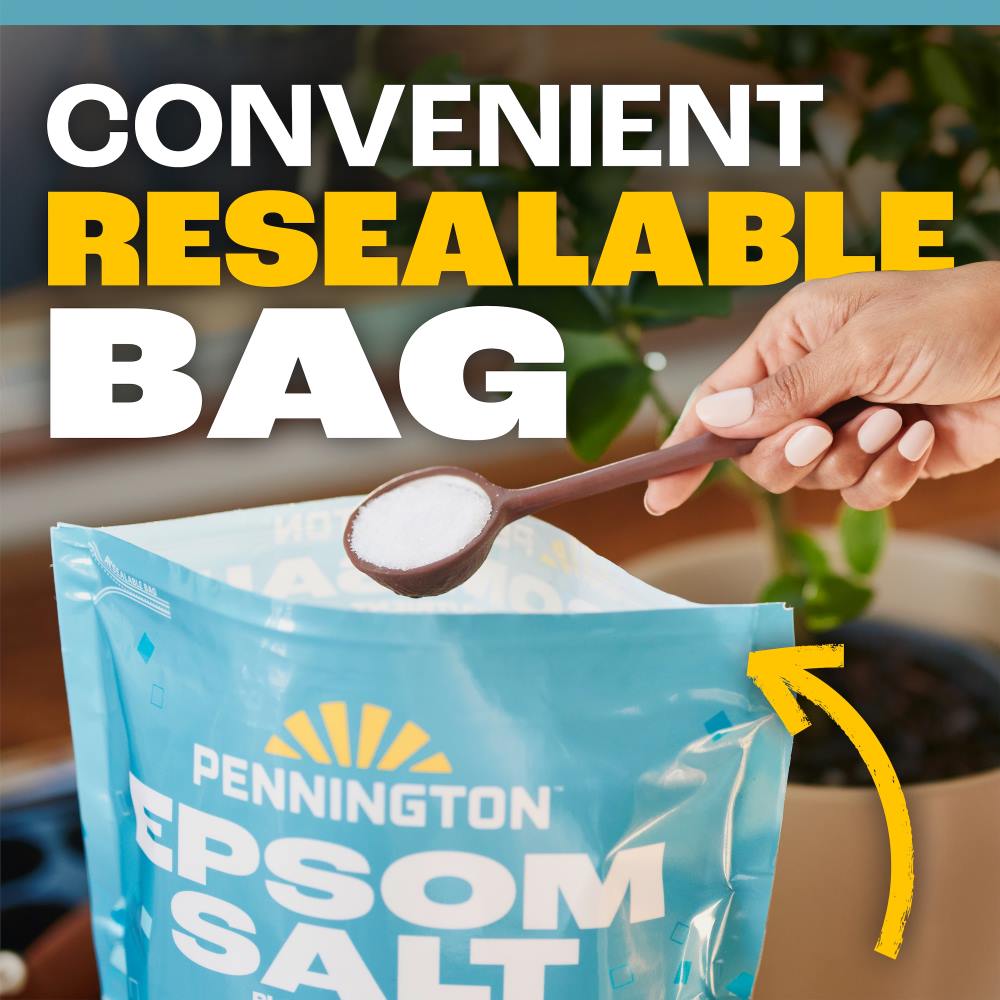
- Easy Storage: Resealable bag keeps product fresh and ready for use anytime
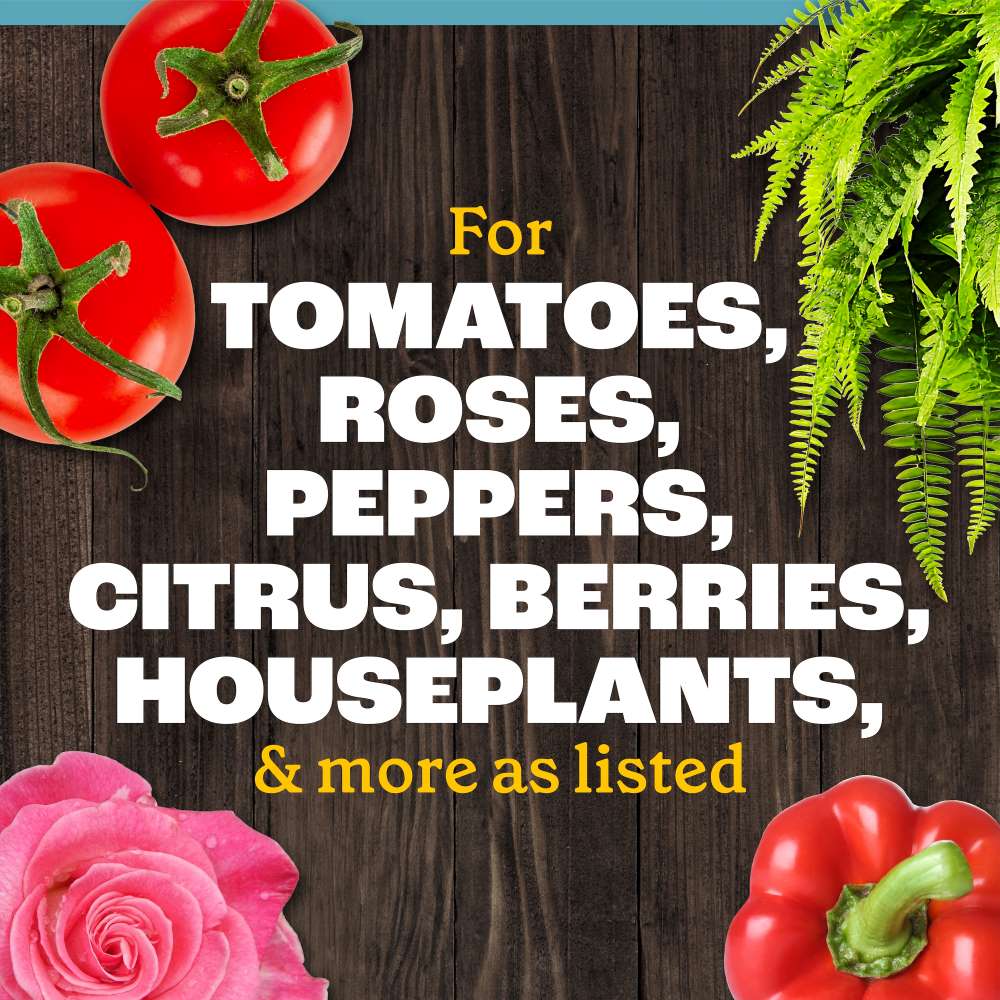
- Garden Use: Ideal for roses, tomatoes, peppers, palms, ferns, and indoor and outdoor containers
- Personal Use: Add to warm baths to help relax and soothe sore muscles
- For Every Gardener: Simple for beginners, trusted by experienced growers
- Season-Long Use: Apply during growing season or whenever plants show signs of yellow leaves
Frequently Asked Questions
-
What is Pennington Epsom Salt and what is it used for in the garden?Pennington Epsom Salt is a magnesium sulfate soil amendment designed for use on lawns, flowers, plants, vegetables, and trees. It helps correct nutrient deficiencies that cause yellowing leaves and supports vigorous plant growth.
-
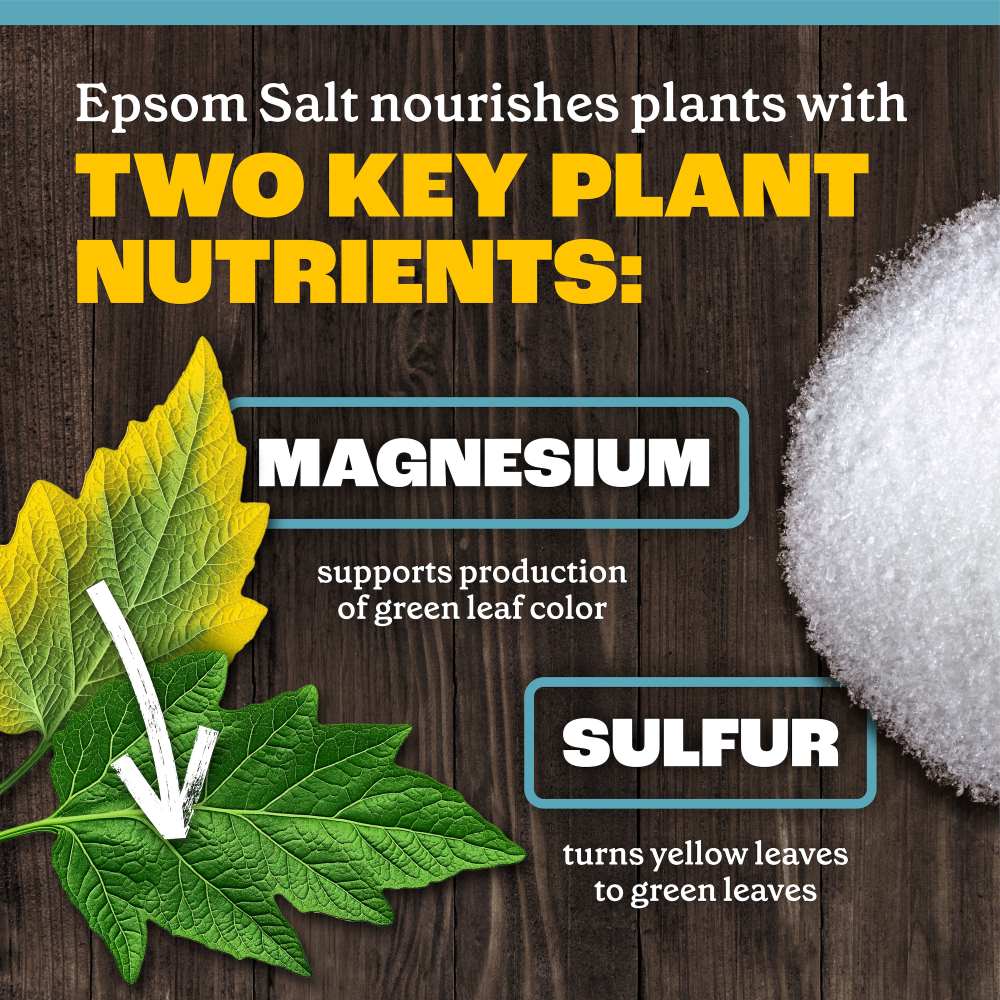
Does Pennington Epsom Salt help with yellowing leaves?Yes, Pennington Epsom Salt directly corrects yellowing leaves caused by magnesium or sulfur deficiency. Magnesium is a key component of chlorophyll, the pigment that gives plants their green color, so a deficiency often shows up as yellowing or pale foliage. Applying Epsom salt to affected plants helps restore these essential nutrients and can return leaves to a vibrant green.
-
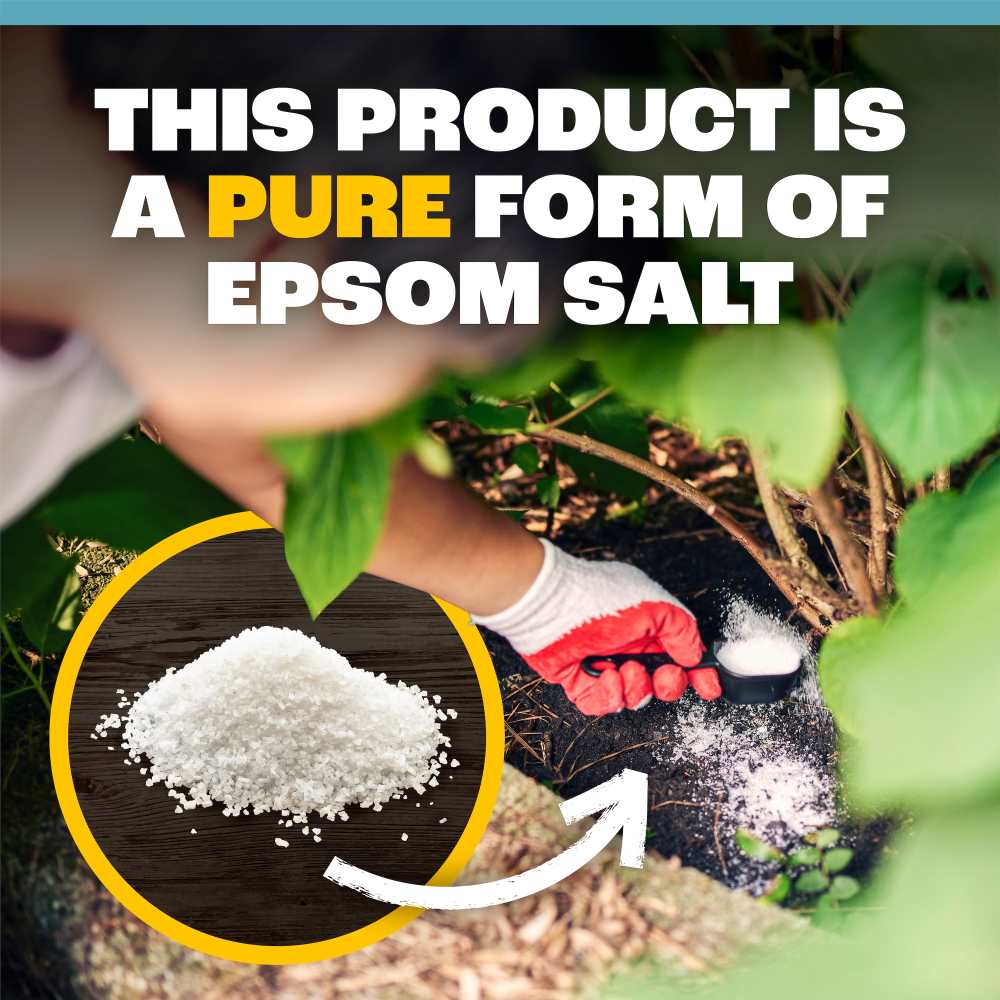
Can I sprinkle Pennington Epsom Salt directly on my lawn?Yes, Pennington Epsom Salt can be applied directly to lawns as a soil amendment. You can sprinkle it on the topsoil and then water the area to help the magnesium and sulfur absorb into the ground. The 7 lb. bag covers up to 2,900 square feet of lawn, making it practical for treating small to medium yard areas.
-
What plants benefit from Pennington Epsom Salt?Pennington Epsom Salt is formulated for use on a wide range of plants, including lawns, flowers, vegetables, trees, and general garden plants. Plants that are heavy feeders of magnesium — such as roses, tomatoes, and peppers — are particularly responsive to Epsom salt applications. It is best used when a magnesium or sulfur deficiency has been identified or suspected.
-
What plants don't like Epsom salt and should I avoid using it on them?Plants that already grow in magnesium-rich soil or that prefer low-nutrient conditions may not benefit from — and could be harmed by — Epsom salt applications. Sage and certain other herbs are commonly cited as plants sensitive to excess magnesium. It is always a good practice to test your soil before applying any amendment to avoid over-supplementing nutrients.
-
How much Pennington Epsom Salt should I mix with a gallon of water for a foliar spray?A common guideline for using Epsom salt as a foliar spray is approximately 1 tablespoon of Epsom salt dissolved per gallon of water. This liquid solution can be applied directly to plant leaves, allowing the magnesium and sulfur to be absorbed quickly. Always check the product label for Pennington's specific recommended rates before applying.
-
When should you not use Epsom salt on plants?You should avoid using Epsom salt when your soil already has adequate or excess levels of magnesium, as over-application can disrupt soil nutrient balance and hinder plant uptake of other minerals like calcium. It is also not a substitute for a complete fertilizer, since it only supplies magnesium and sulfur. Conducting a soil test before application is the best way to determine whether your garden actually needs Epsom salt.
-
What nutrients does Pennington Epsom Salt supply to soil and plants?Pennington Epsom Salt is magnesium sulfate, which supplies two essential plant nutrients: magnesium and sulfur. Magnesium plays a critical role in chlorophyll production and photosynthesis, while sulfur supports protein synthesis and enzyme function. Together, these nutrients contribute to greener and more vigorous plant growth.
-
How much area does the 7 lb. bag of Pennington Epsom Salt cover?The 7 lb. bag of Pennington Epsom Salt covers up to 2,900 square feet of lawn. This makes it well-suited for treating a standard residential lawn, large garden bed, or multiple planting areas in a single application. Coverage may vary depending on the application rate used for different plant types.
-
Can I use Pennington Epsom Salt on vegetables?Yes, Pennington Epsom Salt is ideal for use on vegetables, in addition to lawns, flowers, trees, and other listed plants. It is especially popular among vegetable gardeners growing crops like tomatoes, peppers, and squash, which tend to be heavy magnesium consumers. Apply it when signs of magnesium deficiency — such as yellowing between leaf veins — appear, or as a preventive amendment in known deficient soils.
-
Is Pennington Epsom Salt safe to use on trees?Yes, Pennington Epsom Salt can be used on trees, along with lawns, flowers, and garden plants when used per label dilutions. Trees experiencing yellowing foliage caused by magnesium or sulfur deficiency may benefit from a soil application or diluted foliar spray. As with all plants, it is best to apply based on observed deficiency signs or confirmed soil test results rather than as a routine amendment.
-
How should I store Pennington Epsom Salt to keep it fresh?Pennington Epsom Salt comes in a resealable bag that is designed to keep the product fresh between uses and make storage simple. After each use, simply press out excess air and seal the bag tightly. Store it in a cool, dry location away from moisture to prevent clumping and maintain product quality for future applications.
-
Is Pennington Epsom Salt the same as regular table salt?No, Pennington Epsom Salt is not the same as regular table salt. Table salt is sodium chloride, which can be harmful to plants, while Epsom salt is magnesium sulfate — a compound that supplies beneficial magnesium and sulfur nutrients to soil and plants. Using table salt on plants can damage or kill them, making it important never to substitute table salt for Epsom salt in garden applications.
-
Is Pennington Epsom Salt a fertilizer or a soil amendment?Pennington Epsom Salt is not a complete fertilizer or a registered soil amendment. Instead, it supplies magnesium and sulfur, which are secondary plant nutrients that help support plant growth and address nutrient deficiencies. It can be used as part of a broader plant nutrition program alongside other fertilizers as needed.
Related Articles & Products