.png?h=146&iar=0&w=301&hash=690753E2FA9563314B9D941A755BB22F)

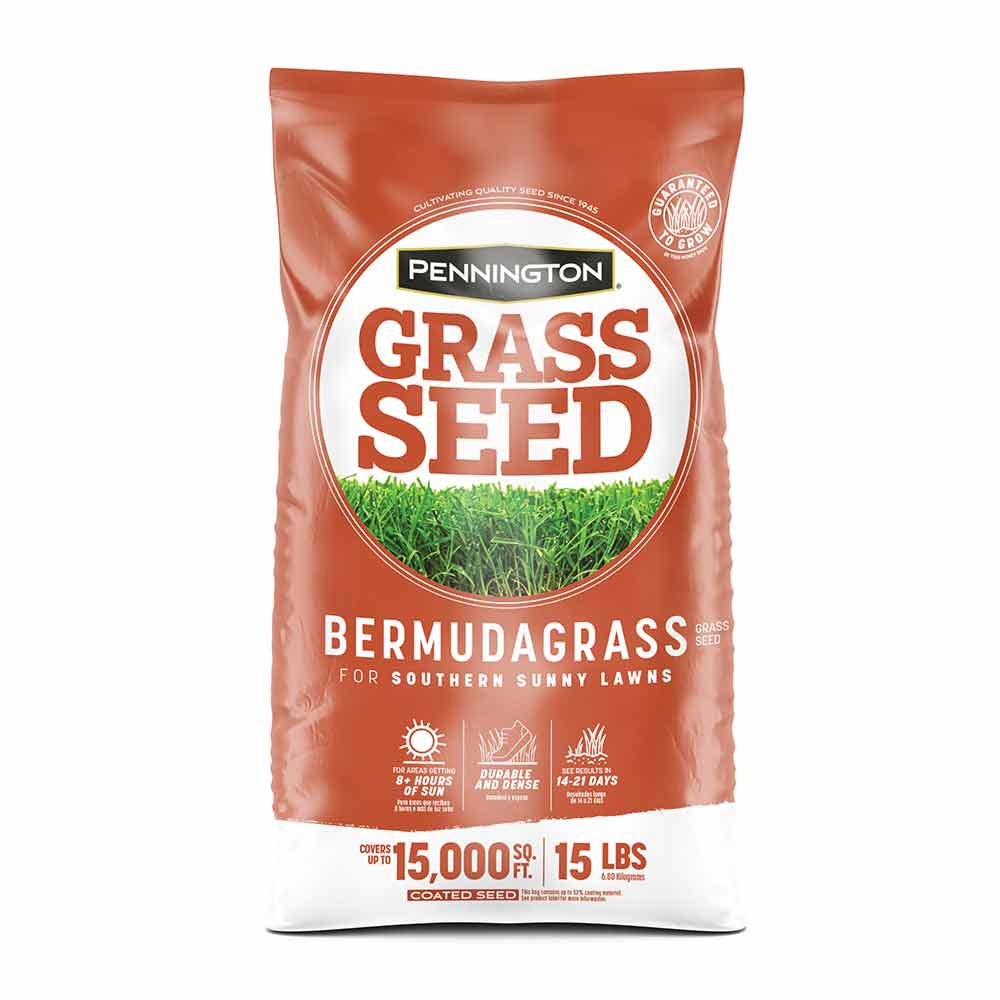
Pennington Bermudagrass Grass Seed
Pennington Bermudagrass is ideal for southern lawns that bask in full sun for 8 or more hours each day. The low-growing grass varieties in this Bermudagrass grass seed offer improved cold tolerance over ordinary Bermudagrass varieties. That's on top of exceptional heat, drought and traffic tolerance that Bermuda is known for. This combination extends the suitability of this warm-season grass into more moderate climates, including the transition zone.
This grass seed will thrive in lawns that receive 8+ hours of daily sun. Plant it in the spring or early summer and see results within 14 to 21 days. A 1-pound bag covers up to 1,000 square feet for overseeding an existing lawn and 500 square feet for starting a new lawn from scratch.
While most grass seed companies buy their seed on the open market, we are the only major grass seed company that works directly with a network of dedicated growers. Built on decades of trust and integrity, our relationships with seed growers and their families now span multiple generations. Our legacy of working directly with farmers to bring you the finest grass seed possible helps ensure their success and ours. At Pennington, we know our seed and the farmers who grow it. From field to final product, that's the Pennington way.
Sizes:
Daily Light Required: Full sun (8+ hours of daily sun)
Sun Tolerance: Excellent
Shade Tolerance: Low
Grass Color: Medium to dark green
Grass Texture: Moderately fine
Drought Tolerance: Excellent
Disease Resistance: Very good
Traffic Tolerance: Excellent
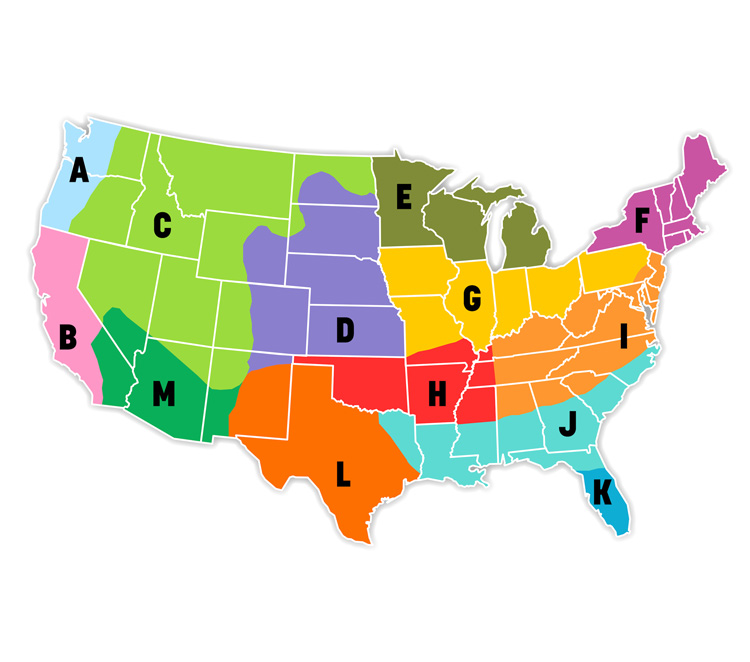
Planting Zones: B, M, L, H, I, J, K
Recommended Planting Dates: Early Spring or Early Fall
Planting Rates:
- New Lawns: 2.5lbs/1,000 sq ft
- Overseeding/Thin Areas: 1 lbs./1,000 sq ft
Planting Depth: 1/8"
Germination: 7-21 days
Mowing Height: 1" - 1 1/2"
Step 1: Prepare
For Bare Spots/New Lawns:
Remove debris, then rake the soil to loosen and smooth the top layer.
For Overseeding/Thin Areas:
Start by mowing existing grass as short as possible follwed by removing debris. Then rake the soil to loosen and smooth the top layer.
Step 2: Apply Fertilzer
Apply a starter fertlizer at the manufacturer's recommended rate.
Step 3: Apply Seed
Spread the seed evenly using a drop, rotary or hand-held spreader according to the recommmended spreader settings. Rake gently to work your seed & fertilizer in tho the soil.
Step 4: Water
Keep the soil moist by watering daily as needed until grass sprouts and reaches about 1.5" tall.
Frequently Asked Questions
-
What is Pennington Bermudagrass Grass Seed best used for?Pennington Bermudagrass Grass Seed is specifically designed for southern, sunny lawns that receive full sun exposure. It produces a thick, aggressively self-spreading grass that forms a dense turf over time. This makes it an ideal choice for homeowners in the South looking to establish or restore a durable, lush lawn.
-
How much area does a bag of Pennington Bermudagrass Seed cover?The 1 lb. bag of Pennington Bermudagrass Grass Seed covers up to 1,000 square feet, the 5 lb. bag covers up to 5,000 square feet, and the 15 lb. bag covers up to 15,000 square feet. This makes it a practical choice for a variety of lawn sizes. Always prepare your soil properly before seeding to maximize coverage and germination rates.
-
Can I plant Bermuda grass seed in my lawn?Yes, you can plant Bermuda grass seed directly in your lawn, provided the area receives adequate sunlight. Bermudagrass requires full sun to thrive and should only be planted in areas receiving at least 70% full sun, as shaded conditions will thin out the stand. Pennington's Bermudagrass Seed is formulated to make DIY seeding straightforward for southern homeowners.
-
Why is Bermuda grass hard to grow from seed?Bermuda grass can be challenging to grow from seed primarily because it requires full sun and well-drained soil to germinate and establish successfully. Areas with less than 70% full sun will often cause Bermuda grass stands to thin out or fail altogether. Proper soil preparation, consistent moisture during germination, and seeding at the right time of year significantly improve success rates.
-
Can I just throw Bermuda grass seed down without preparing the soil?Simply scattering Bermuda grass seed without soil preparation is not recommended and will likely result in poor germination. For best results, the seed needs good soil contact, which means loosening or raking the soil surface before seeding. Consistent watering after seeding is also essential to support germination and early establishment of the grass.
-
What is the 1/3 rule for Bermuda grass mowing?The 1/3 rule means you should never remove more than one-third of the grass blade in a single mowing session. Cutting more than one-third at once can stress the grass, cause it to look brown or dead temporarily, and slow its recovery. Following this rule keeps Bermuda grass healthy, promotes dense growth, and maintains its aggressive spreading habit.
-
Is Bermuda grass easy to grow?Bermuda grass is considered relatively easy to grow when planted in the right conditions — full sun and well-drained soil. Once established, it spreads aggressively on its own, filling in bare spots and creating a thick, resilient turf. Pennington's Bermudagrass Grass Seed simplifies the process further, making it accessible for DIY lawn projects in southern regions.
-
What type of sunlight does Bermuda grass seed need to grow?Bermuda grass seed requires full sun to germinate and thrive, making it unsuitable for shaded areas. Locations with less than 70% full sun exposure will typically result in thin, weak Bermuda grass stands. For best results with Pennington Bermudagrass Seed, choose planting areas that receive direct sunlight for the majority of the day.
-
What kind of soil does Bermuda grass grow best in?Bermuda grass grows best in well-drained soils that allow water to move through freely without pooling. Poor drainage can inhibit germination and lead to weak, patchy growth. Before seeding with Pennington Bermudagrass Grass Seed, amending compacted or clay-heavy soils can significantly improve drainage and overall lawn establishment.
-
How does Bermuda grass spread after seeding?Bermuda grass is known for its aggressive, self-spreading growth habit, expanding through above-ground runners (stolons) and underground stems (rhizomes). This spreading behavior allows it to fill in bare patches and create a thick, uniform lawn over time with minimal intervention. The Pennington Bermudagrass Grass Seed is specifically selected to produce this densely spreading turf characteristic.
-
Is Pennington Bermudagrass Grass Seed suitable for lawns in Texas and Florida?Yes, Pennington Bermudagrass Grass Seed is well suited for warm-climate states like Texas and Florida, where hot summers and full sun conditions are common. Bermudagrass is one of the most widely used turf grasses across the southern United States due to its heat and drought tolerance once established. It performs best in these regions when seeded during warm soil conditions in late spring or early summer.
-
What is hulled Bermuda grass seed and does this product use it?Hulled Bermuda grass seed has its outer coating removed to speed up germination compared to unhulled seed. Pennington's Bermudagrass Grass Seed is formulated for fast, reliable establishment, consistent with the use of hulled seed technology commonly found in high-quality Bermuda grass products. Hulled seed typically germinates more quickly because moisture can penetrate the seed more easily without the outer hull barrier.
-
How does Bermuda grass compare to St. Augustine or Zoysia grass?Bermuda grass, St. Augustine, and Zoysia are all warm-season grasses suited to southern lawns, but they differ in key characteristics. Bermuda grass is the most aggressively spreading of the three and is best for full-sun areas, while St. Augustine tolerates more shade and Zoysia offers a finer texture with moderate shade tolerance. Pennington Bermudagrass Grass Seed is the ideal choice when you want a thick, fast-spreading turf in a high-sunlight environment.
-
When is the best time to plant Pennington Bermudagrass Grass Seed?Bermuda grass seed should be planted during late spring to early summer when soil temperatures consistently reach 65–70°F or warmer. Planting during warm conditions ensures faster germination and stronger early growth before cooler fall temperatures arrive. In southern states like Texas and Florida, this window typically falls between April and July, giving the grass a full growing season to establish.
-
How many bags of Pennington Bermudagrass Grass Seed do I need for my lawn?The 1 lb. bag of Pennington Bermudagrass Grass Seed covers up to 1,000 square feet, the 5 lb. bag covers up to 5,000 square feet, and the 15 lb. bag covers up to 15,000 square feet. To calculate how many bags you need, divide your total lawn square footage by 15,000 and round up to the nearest whole bag. Measuring your lawn area accurately before purchasing ensures you buy enough seed for complete, even coverage.